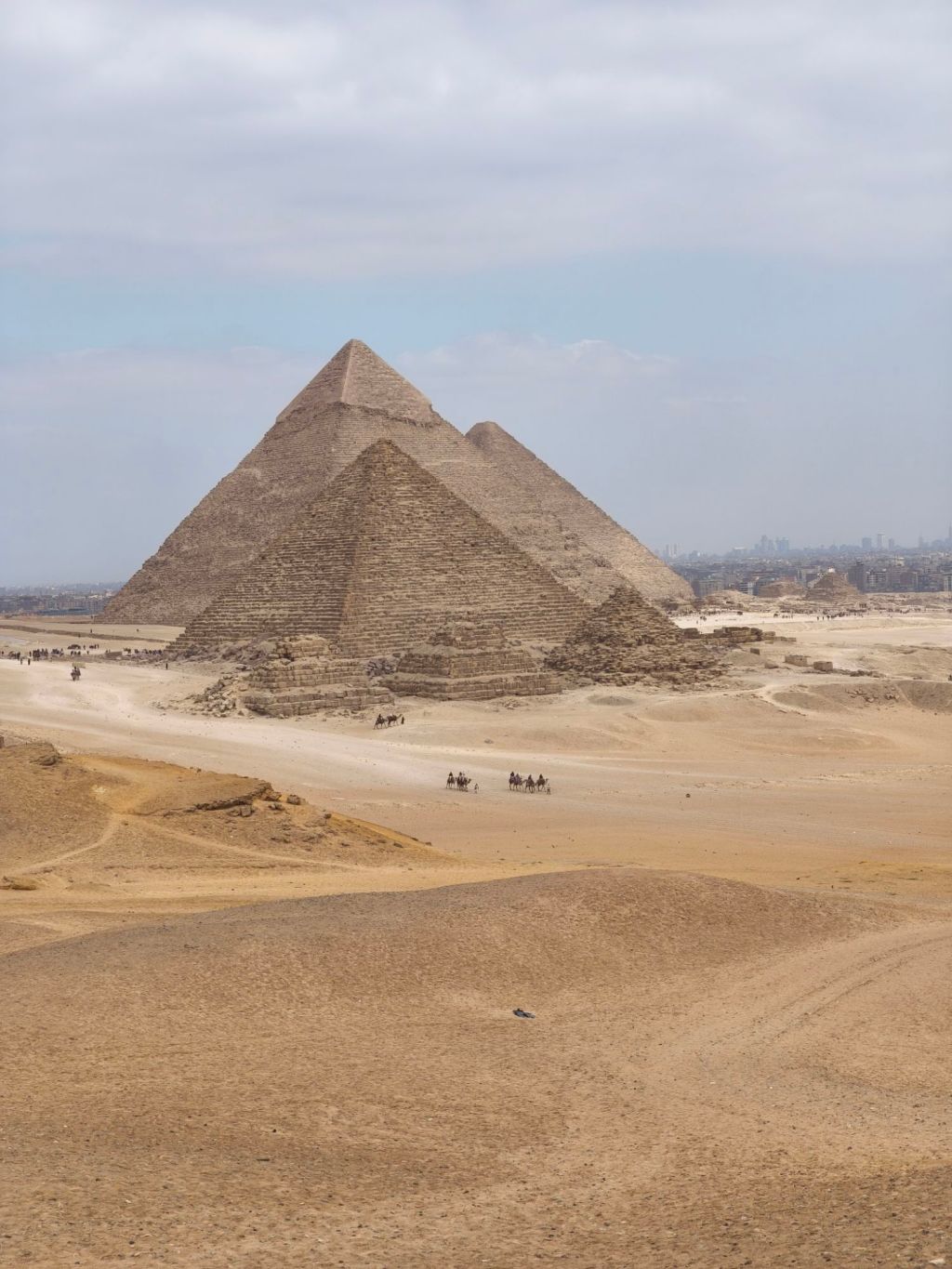
As I take a sip of my coffee and gaze at the view before me, I can’t help but wonder what Alexander the Great must have thought when he came to conquer Egypt and saw these three colossal pyramids rising ahead. That sight must have stirred something in him, surely. Did he envy these pharaohs for their tombs were literally the skyscrapers of its time? Or did he judge the pharaohs for their prodigal use of manpower and resources? Was he aware that these monuments stood there for two millennia when he set foot there? I don’t know. My theory is simple: Alexander in Egypt encountered a force even he could not defeat, just as the mighty pharaohs before him could not: time.
In Egypt, sands whisper the tales of ancient glories. Alexander, Caesar, Napoleon, and now, yours truly. But unlike them, to Egypt, I came in peace.
I stayed a little over a week in Egypt and was opportune enough to visit Giza, Cairo and Aswan. My first stop was the pyramids of Giza, and yes, I am a simple man. I landed in Cairo at night, and by the time I arrived at the hotel, it was probably around midnight. Here is a tip: Always negotiate with taxi drivers beforehand if you’re not taking Uber. If you happen to utter some Arabic words like I do, or come from a fellow Muslim country, your chances of getting a big discount are high.
a) Giza
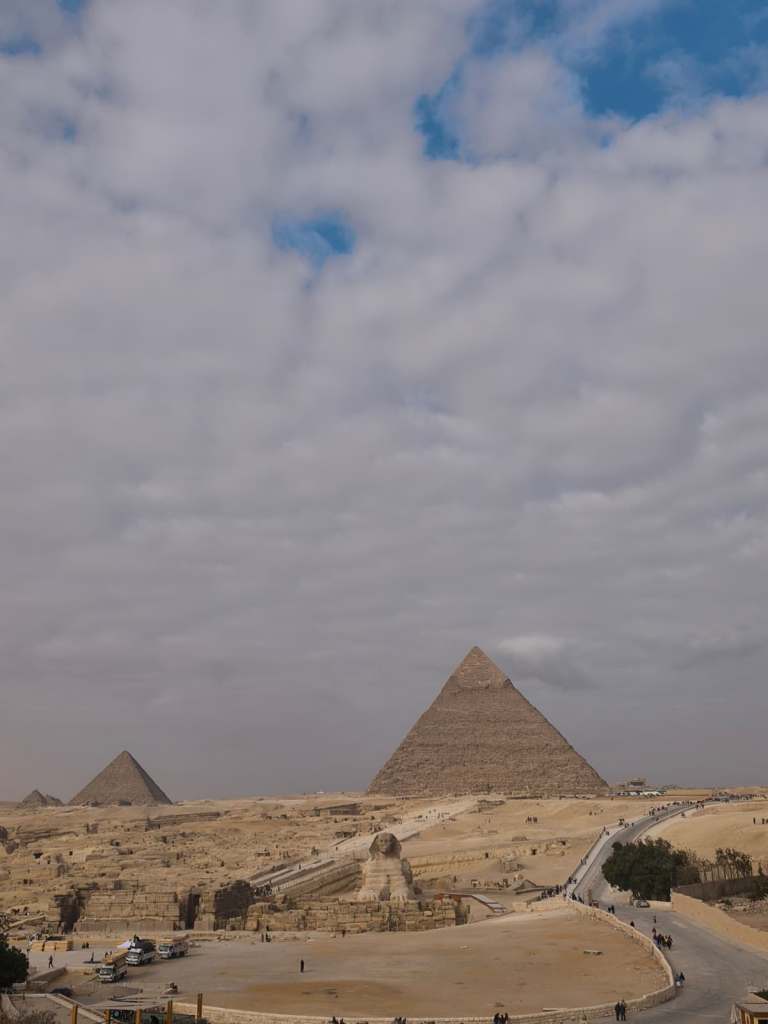
The first thing I did upon arriving at the hotel was step out onto the terrace, light up a cigarette, and enjoy this view across me:
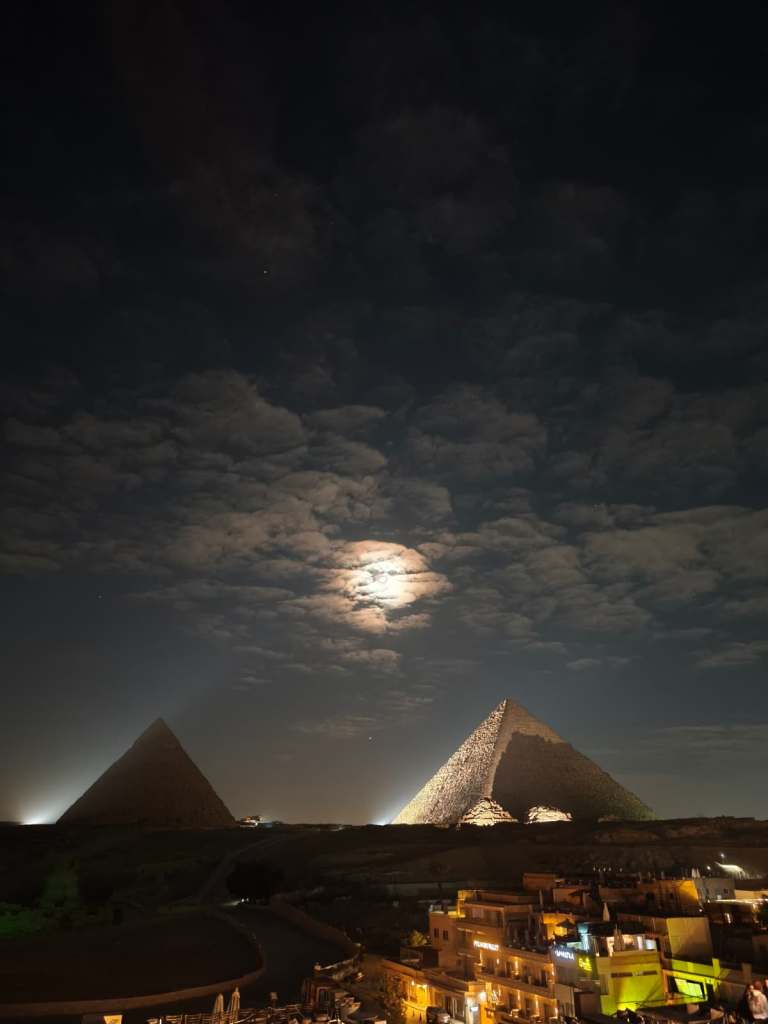
In Giza, pretty much every hotel arranges tours. I got mine for the pyramids the next day.
My tour guide, Mahmoud, was a non-stop talker. He was quick to delve into the technical details of the pyramids, speaking continuously about the height of the stones, their types, how they were assembled, which dynasty built those etc. I didn’t go inside the Great Pyramid since it required an extra fee, but I did walk on the stones of the Great Pyramid, which was a pretty cool experience. I guess you never expected someone to be stepping on the colossal stones of your tomb, Pharaoh Khufu, when you had it built 4,000 years ago, but here I am sir, doing just that.
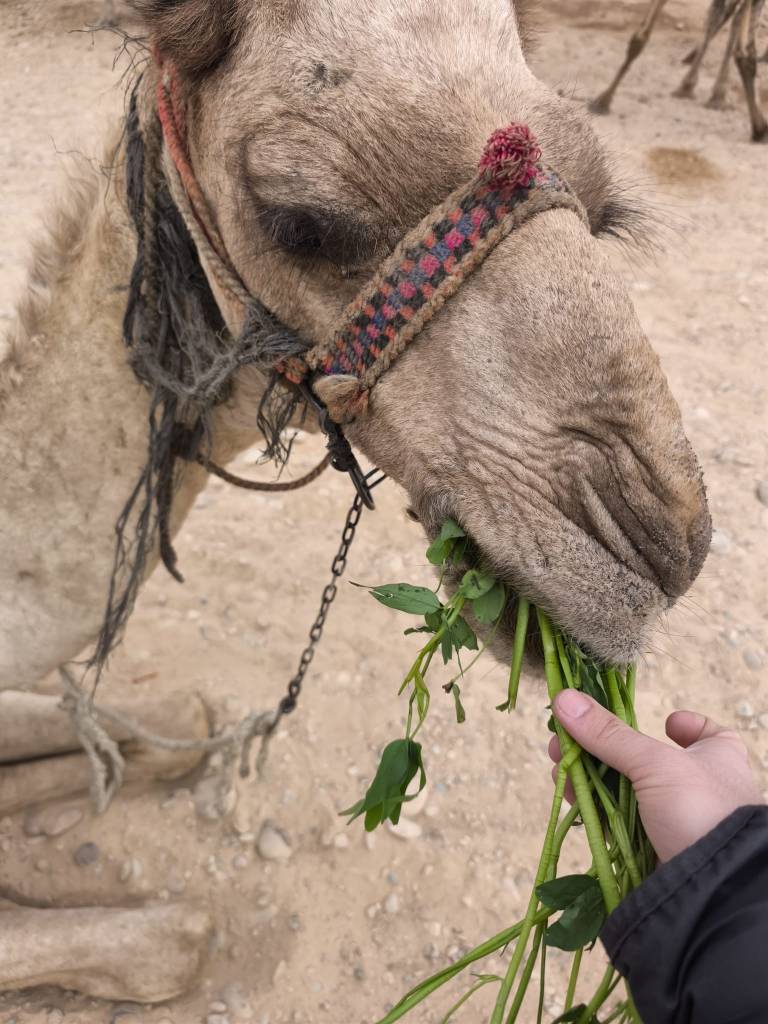
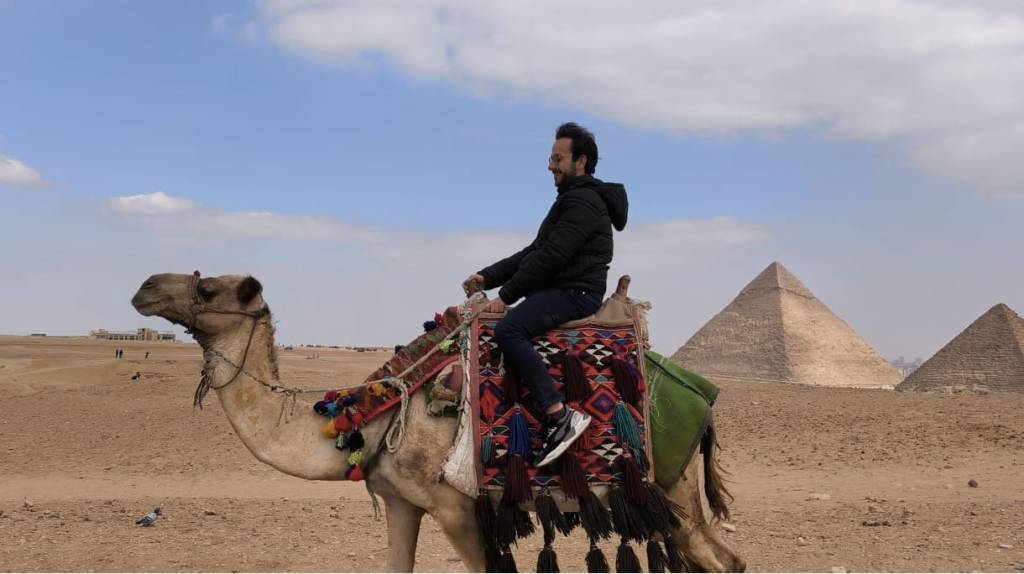
Of all the things I did in Egypt, riding camels was literally the best. I simply fell in love with camel-riding. Camels are definitely much taller than they appear in photos. You saddle up while they’re sitting, but the moment they rise, you’re suddenly elevated far higher than you expected. The camel I rode was named Mickey Mouse, at least that’s what the kid handling the camel told me. We took a tour around the area, and when we stopped for another photoshoot, I fed the camel some greens myself. The way Mickey nibbled the greens from my hand made me realize these noble creatures are actually herbivores. I simply did not know that up until that time. Excuse my ignorance.
On our way back, the kid asked me if I wanted to speed up. Without hesitation I said, طبعاً, that is, of course in Arabic. Another pro tip: If you’re a guy riding a camel like you’re charging Turkish battalions across Arabian deserts, expect some serious ache downstairs.
Aside from the pyramids, there’s not much to do in Giza except shopping. If you’re into souvenirs like me, I recommend buying them at the shop in the National Museum of Egyptian Civilization, if you’re planning to visit there of course. I think the prices of souvenirs were the cheapest there.
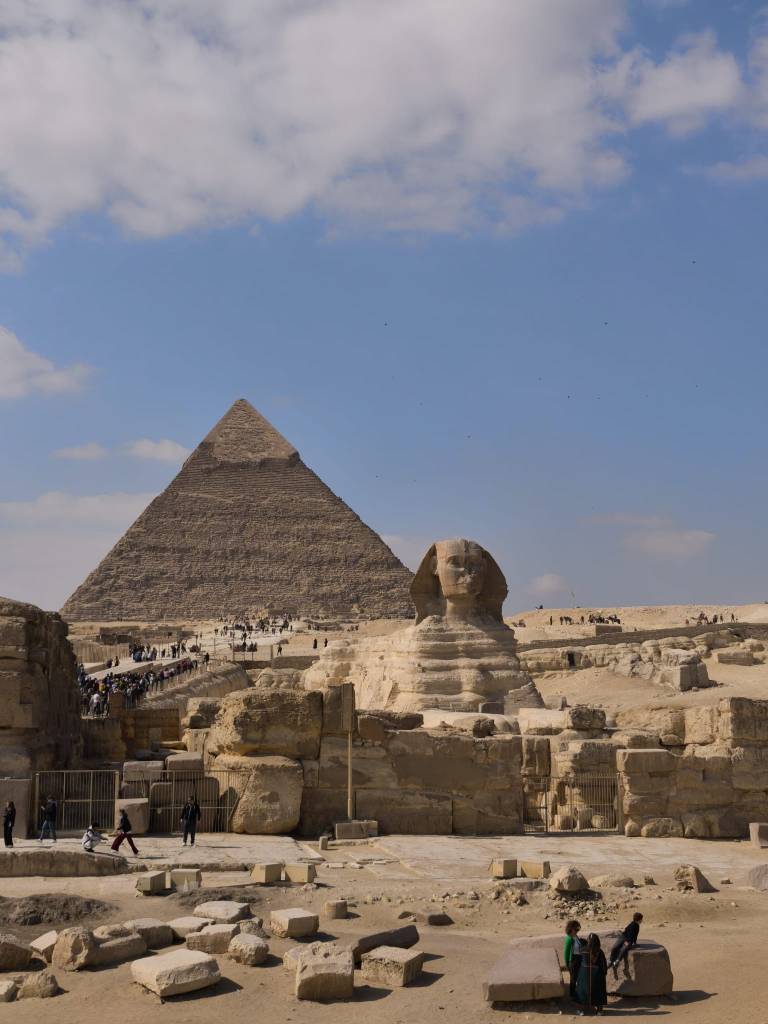
b) Cairo
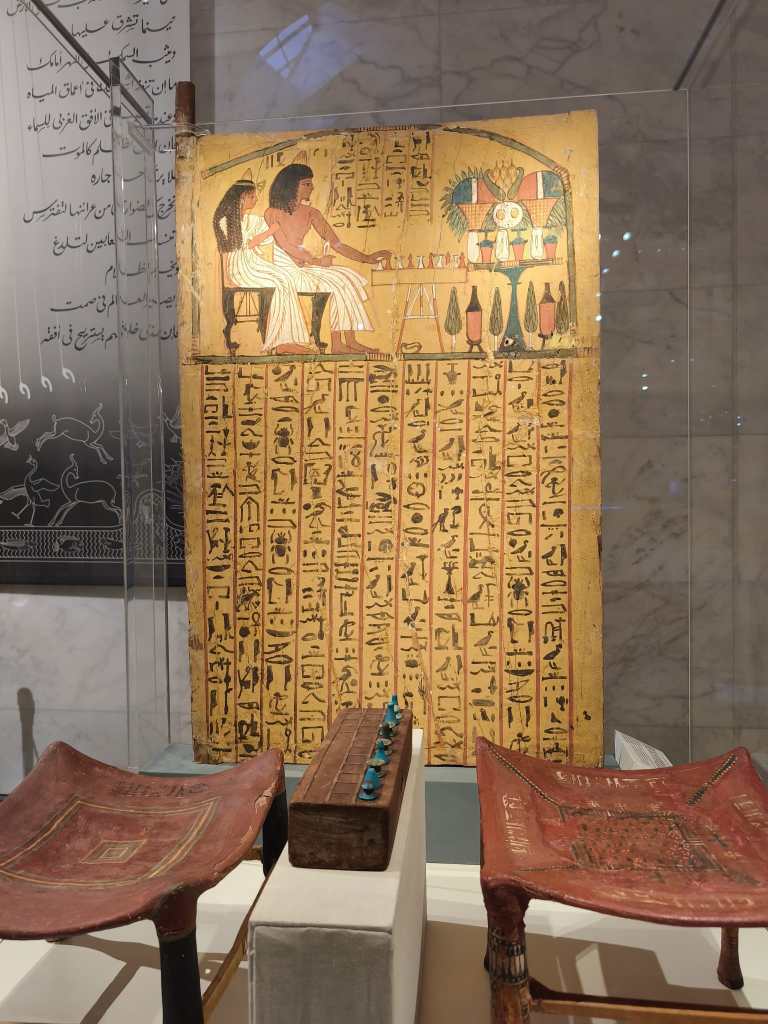
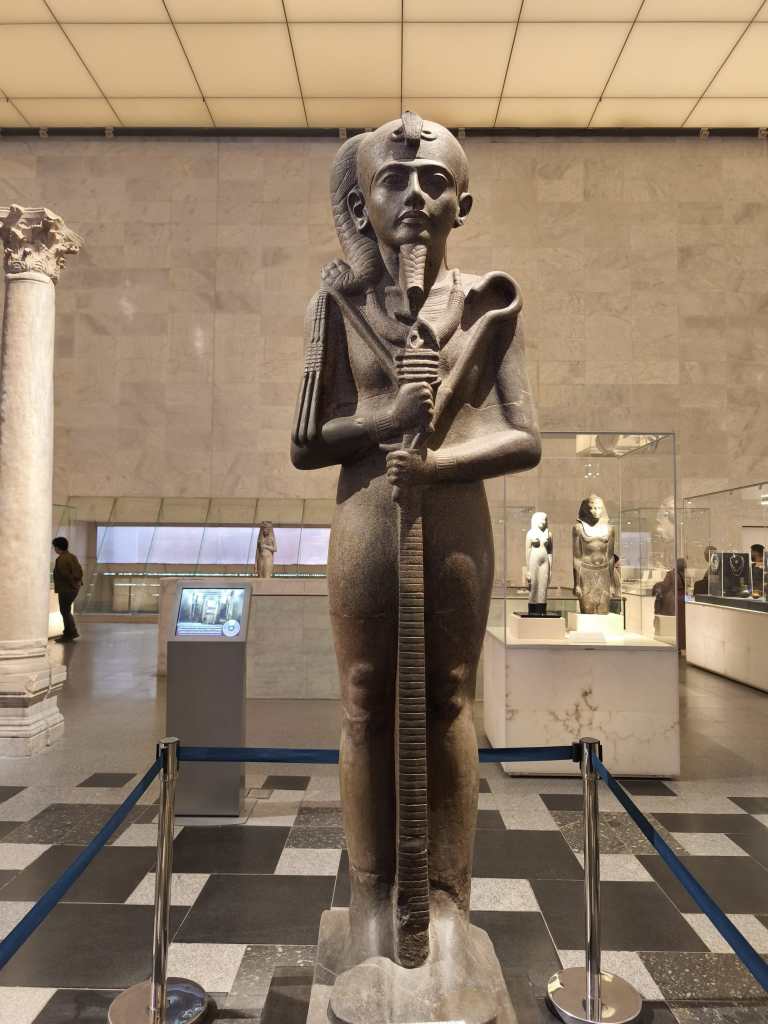
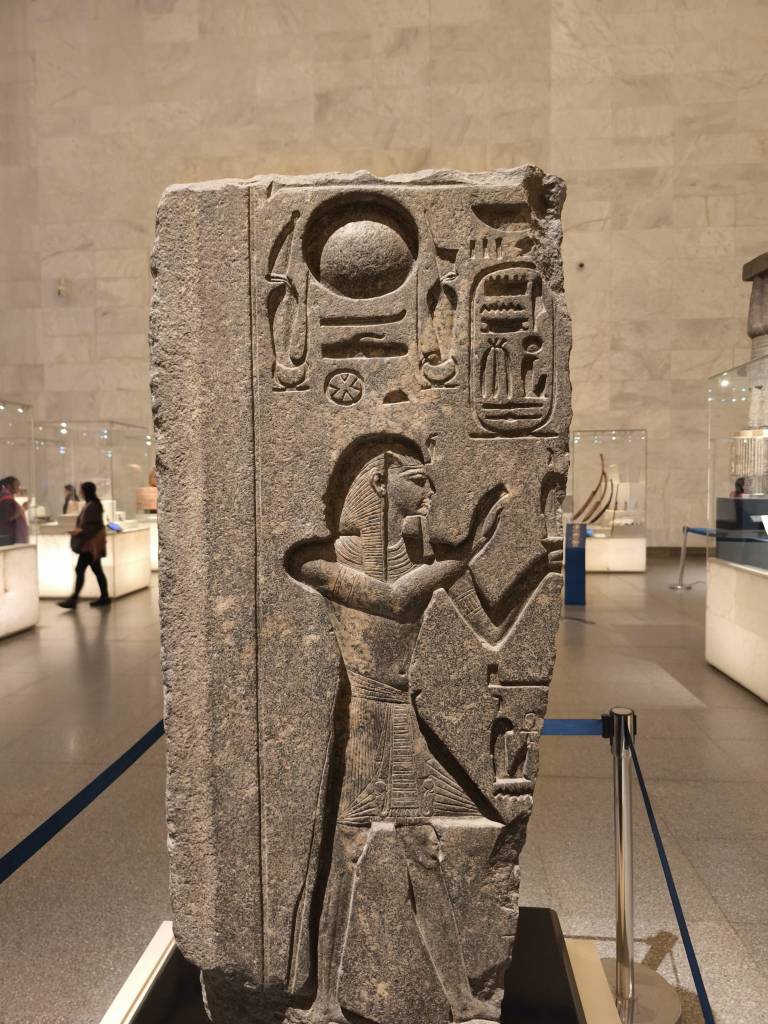
The National Museum of Egyptian Civilization was my first stop in Cairo. The museum itself is fascinating, with the mummies as the cherry on top. It offers a glimpse into Egyptian civilization through the centuries: ancient dynasties, Greek, Roman, and Coptic artifacts, as well as Islamic and Ottoman heritage. There is about 13-15 mummies in the museum. I just wish visitors were allowed to take pictures with these 4,000+-year-old corpses. Just kidding.
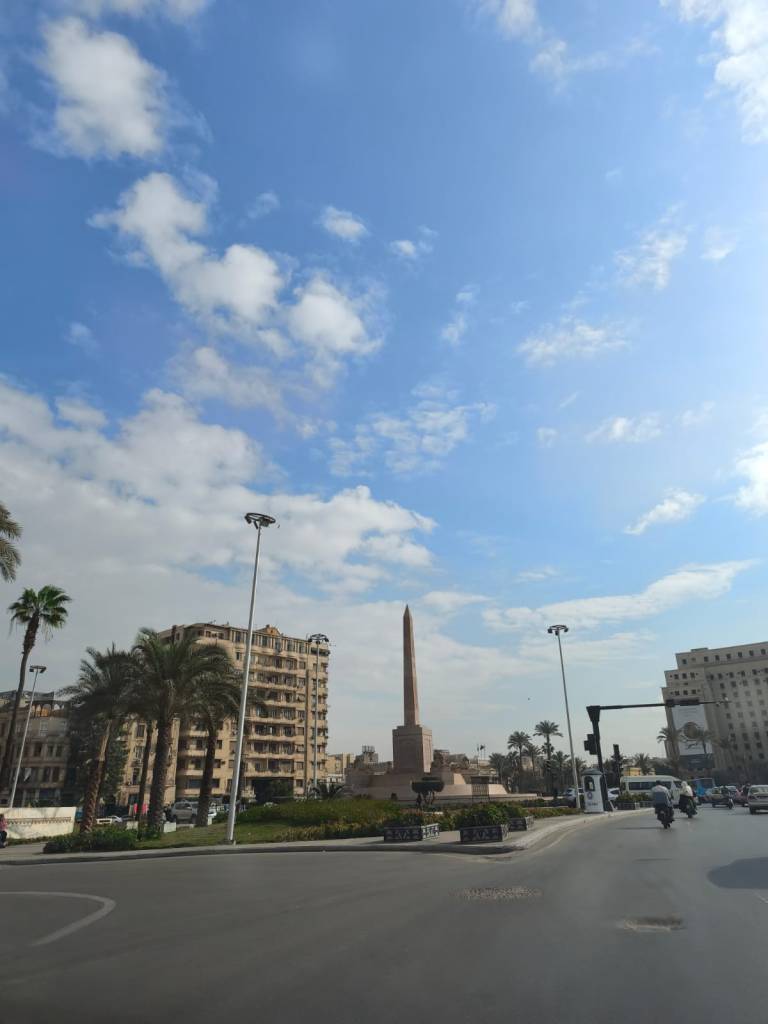
I found downtown Cairo incredibly noisy, as if every driver had been instructed to honk every 20 meters. And you could tell this wasn’t specific to that particular day I was there; Tahrir Square area must be like that every single day. If you’re looking for an adrenaline rush, try crossing a street in Cairo. I think the only traffic light I saw was near Tahrir Square, nowhere else in the city.
The best view of Cairo has to be from the top of the Cairo Tower. It’s not far from Tahrir Square, about 20 minutes by walking. The hard part isn’t walking, it’s crossing the streets.
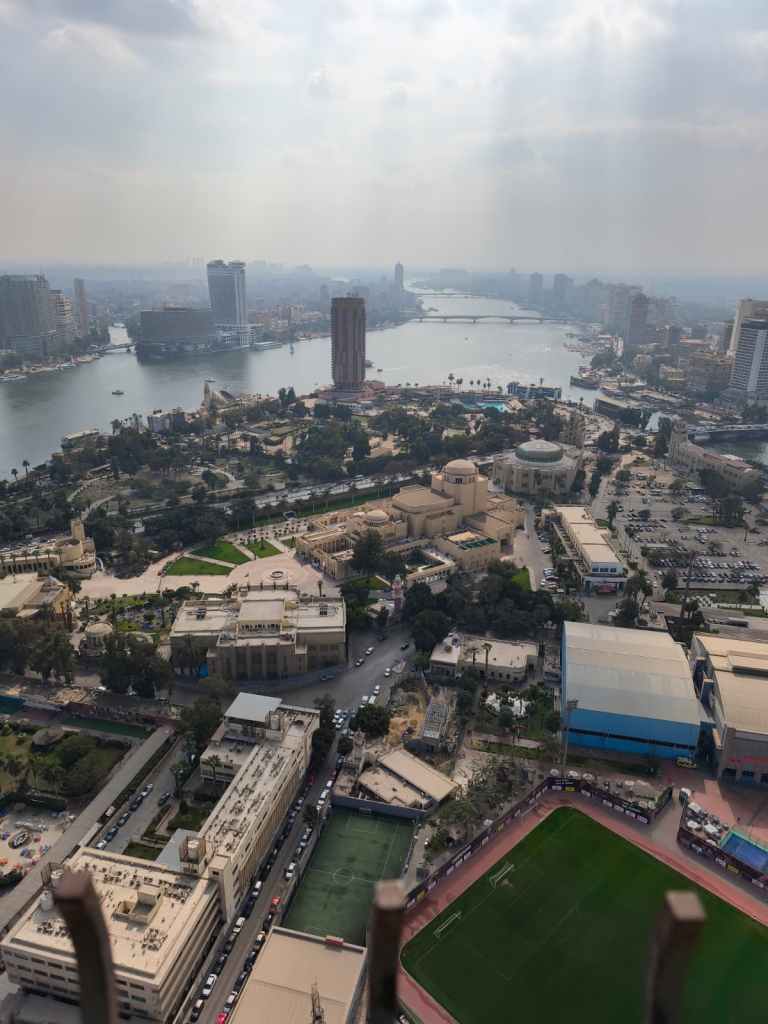
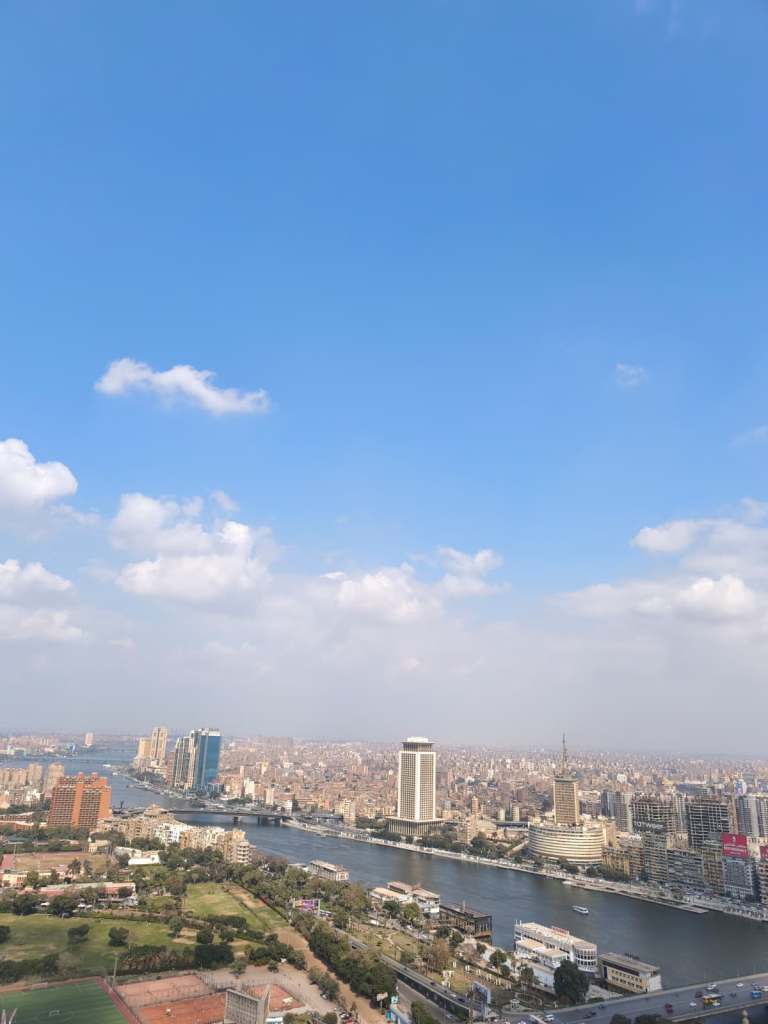
Since I visited Egypt in late February, the temperature wasn’t an issue. But it’s clear that if you visit in late spring or summer, the heat will definitely be a challenge.
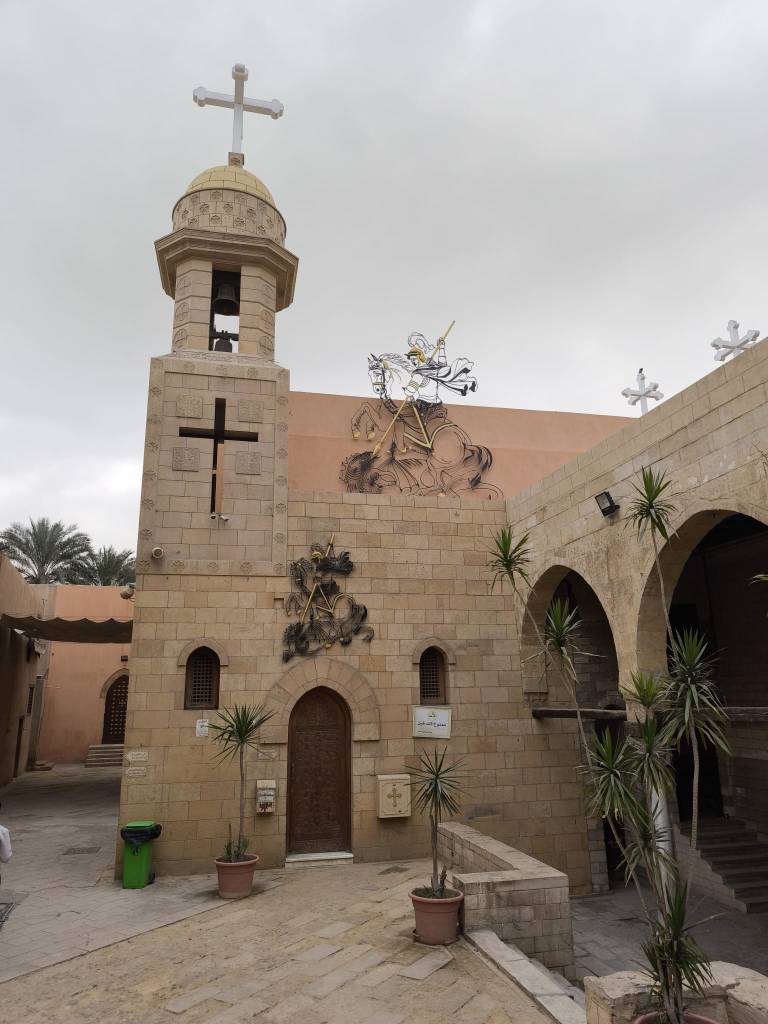
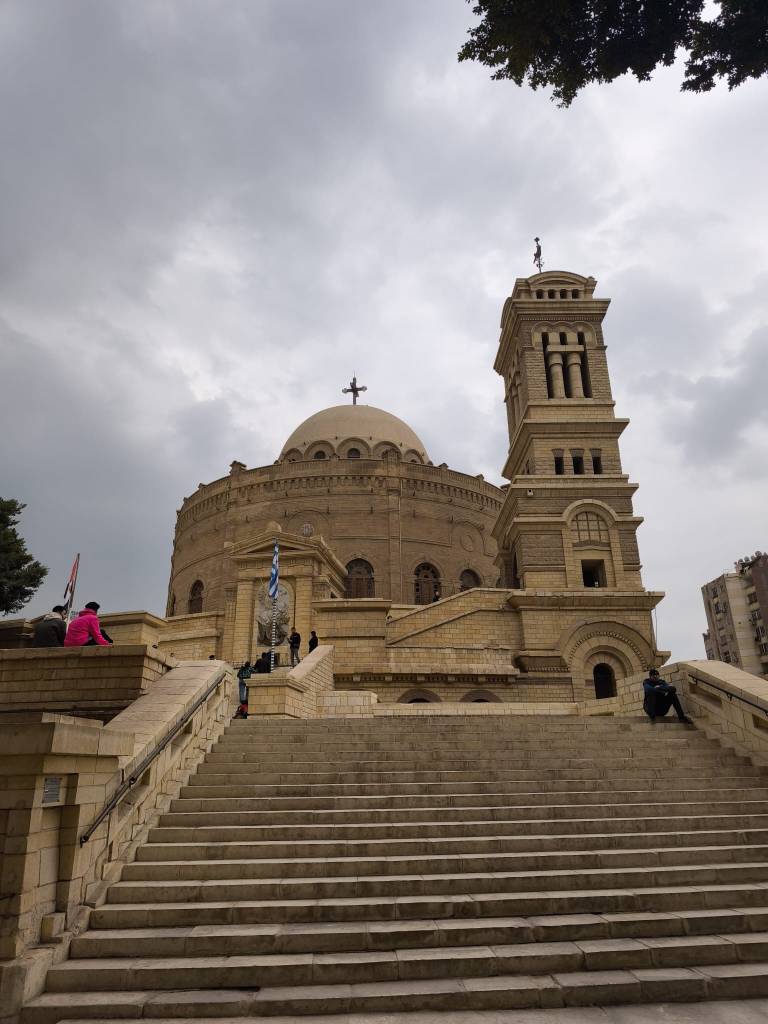
My next stop in Cairo was Coptic Cairo, that is, a secluded quarter comprised of Coptic and Orthodox Churches. Navigating the quarter feels like wandering through a labyrinth. I believe I visited every church in the area, taking a moment to pray in each one. Plenty of souvenir shops are around, but the prices were definitely salty.

c) Aswan
At first, I was hesitant to go to Aswan. My main intention was to pay a visit to Abu Simbel temples, which lie almost on the border with Sudan. But then I found an increadibly cheap business class seat on an EgyptAir flight to Aswan, and that made me feel almost compelled to go. The business class lounge at the airport looked like a colonial officers gathering point, full of elderly, white, and to a certain degree, posh Europeans enjoying the snacks. To my surprise, a copy of the Qur’an was encased in glass and hung on the cockpit door. I am curious whether every EgyptAir flight carries a Qur’an on board, or if it is only the domestic ones.
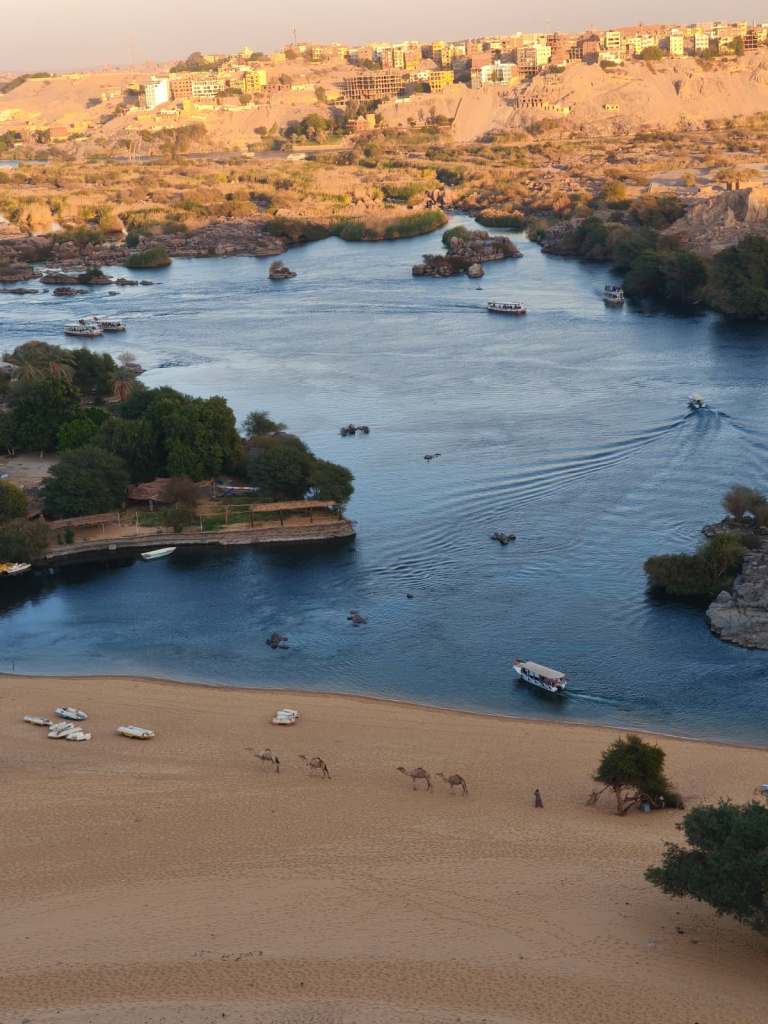
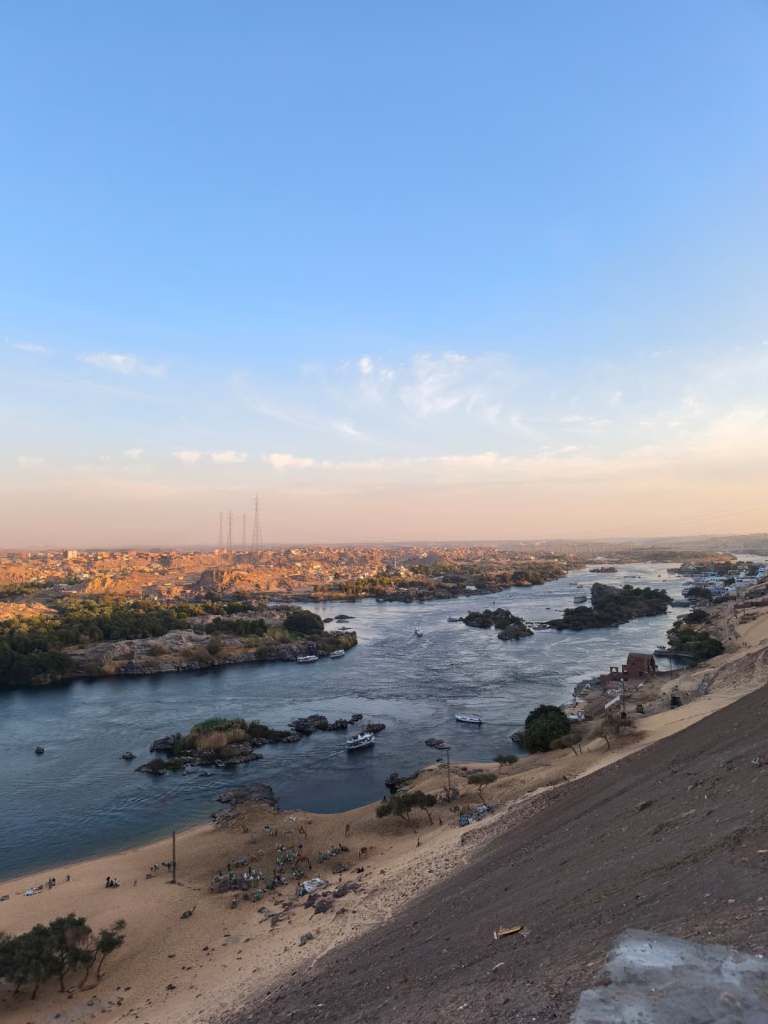
I stayed in a Nubian village in Aswan for three days, and man, my hotel was literally on the Nile. As one Egyptian told me, without the Nile, there is no Egypt. But beware, if Aswan is this hot in late February, I can’t imagine to be there during the summer.

Before visiting the local vendors and Abu Simbel temples, I took some time to photograph this beautiful area around the Nubian village.
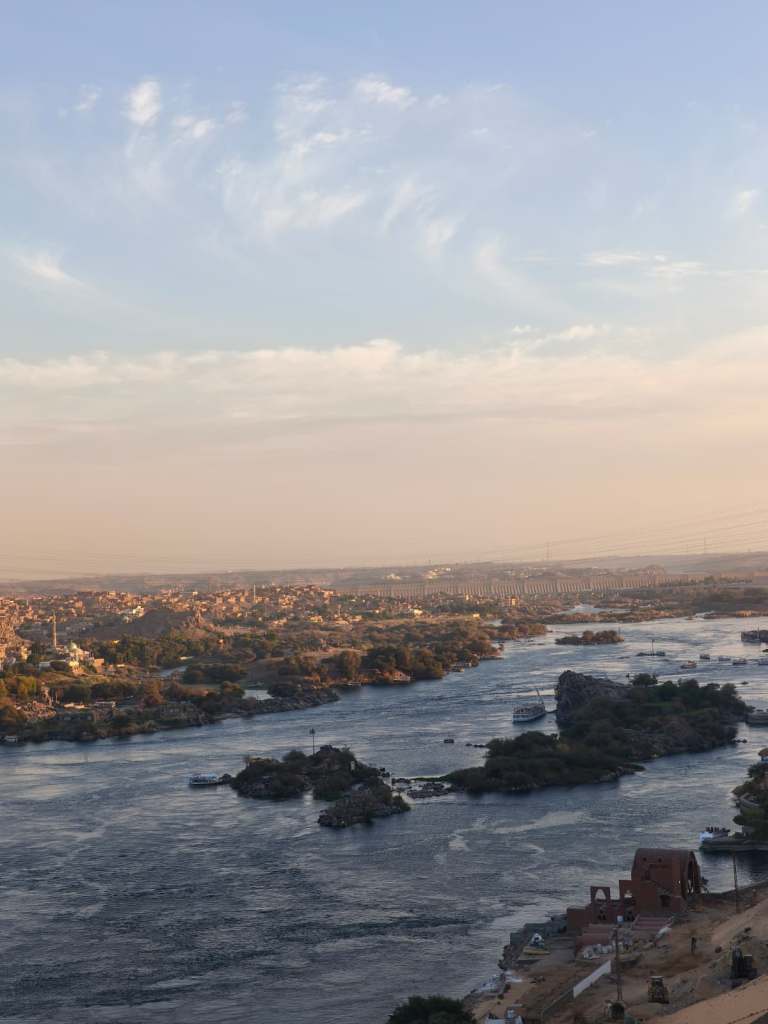
d) Abu Simbel Temples
The car ride from Aswan to Abu Simbel takes approximately 3.5 hours. The road itself is somewhat dangerous, far too narrow and with no signs or crash barriers to speak of. We took one short break along the way, and I believe there’s only one stop on the entire route to Abu Simbel. There are restrooms and plenty of places to rest and dine around the Abu Simbel temples, so I’d recommend using the facilities there rather than stopping along the road. Personally I chose to sleep in the van, given nearly all Abu Simbel tours take place from early morning and conclude around midday.
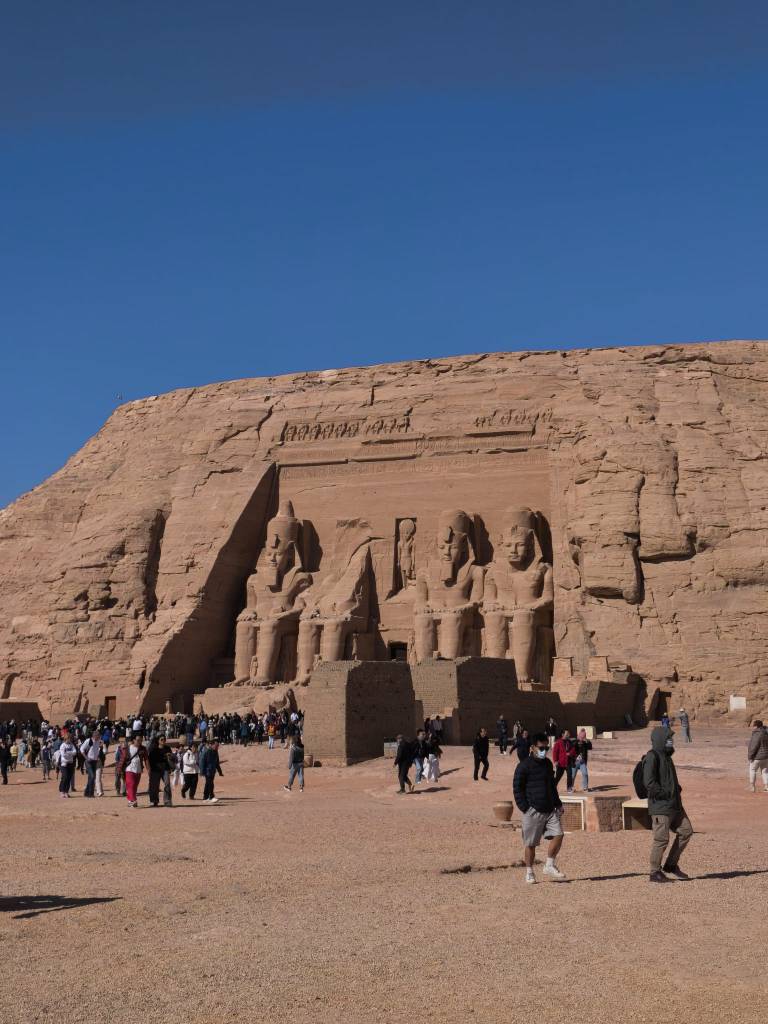
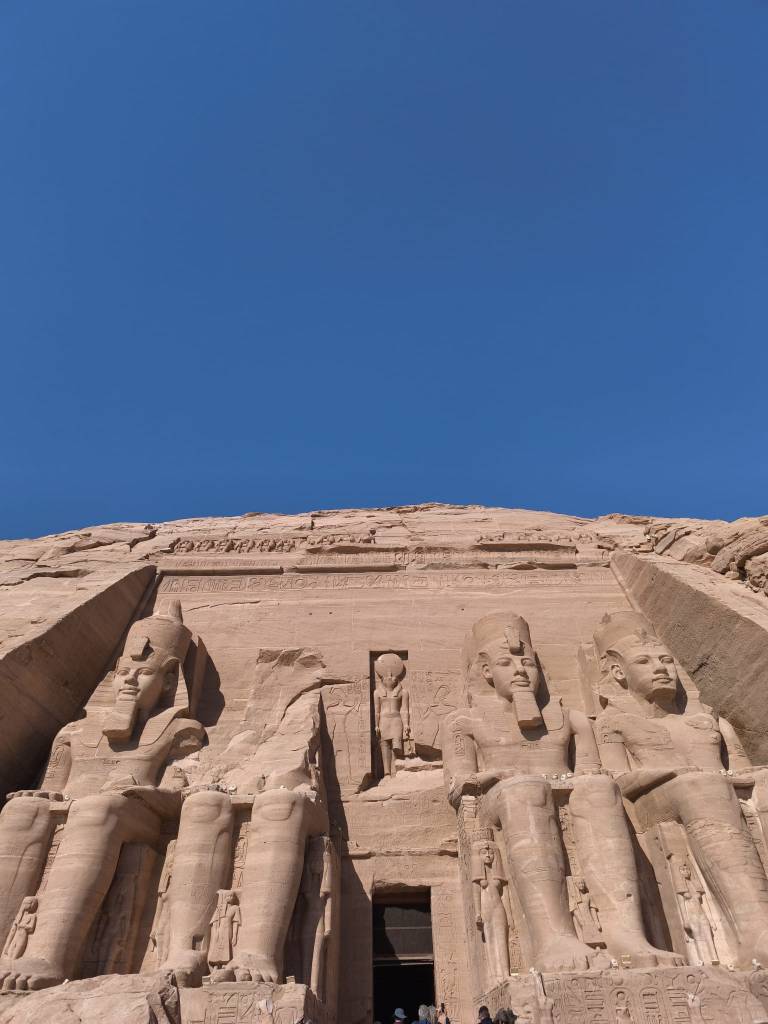
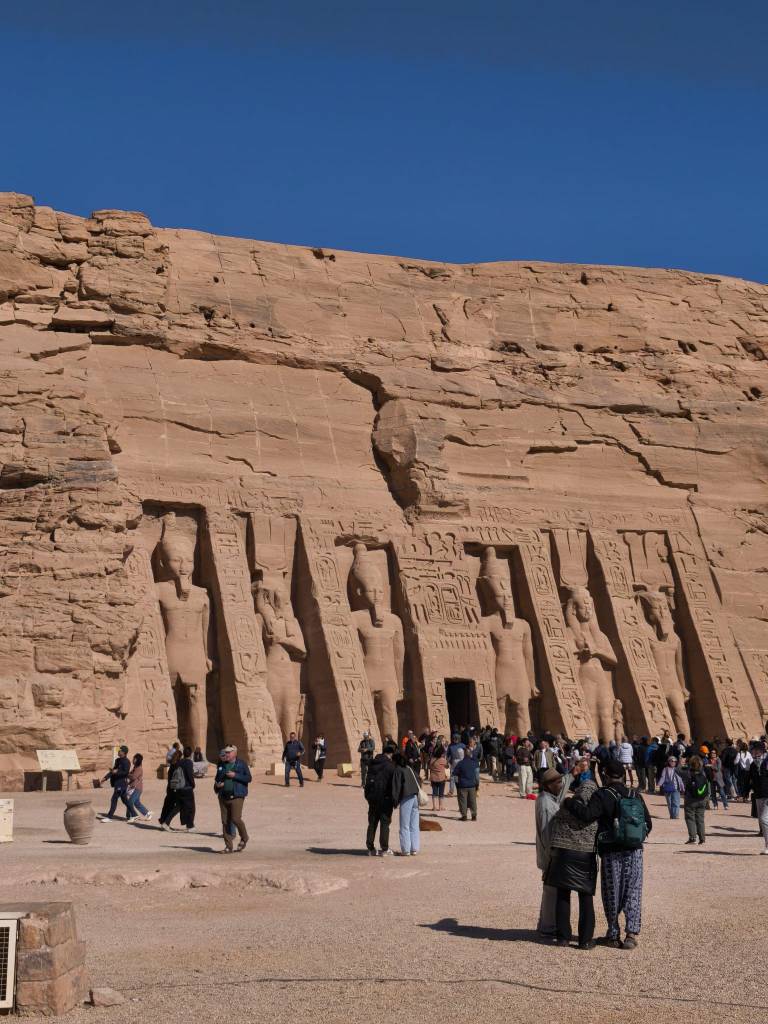
I bought my ticket to the temples on site. The line was somewhat long, I think I waited around 10 minutes. There’s no shade to protect people waiting in line from the sun, so either bring a hat or buy your ticket online in advance. The temples were absolutely stunning, truly the pinnacle of ancient Egyptian glory. What fascinated me was discovering that these temples were actually moved from their original sites because their actual locations were flooded due to the construction of the Aswan Dam. Top-notch engineers literally dismantled, transported, and reconstructed the temples block by block to preserve this heritage. And I chose to study social sciences.
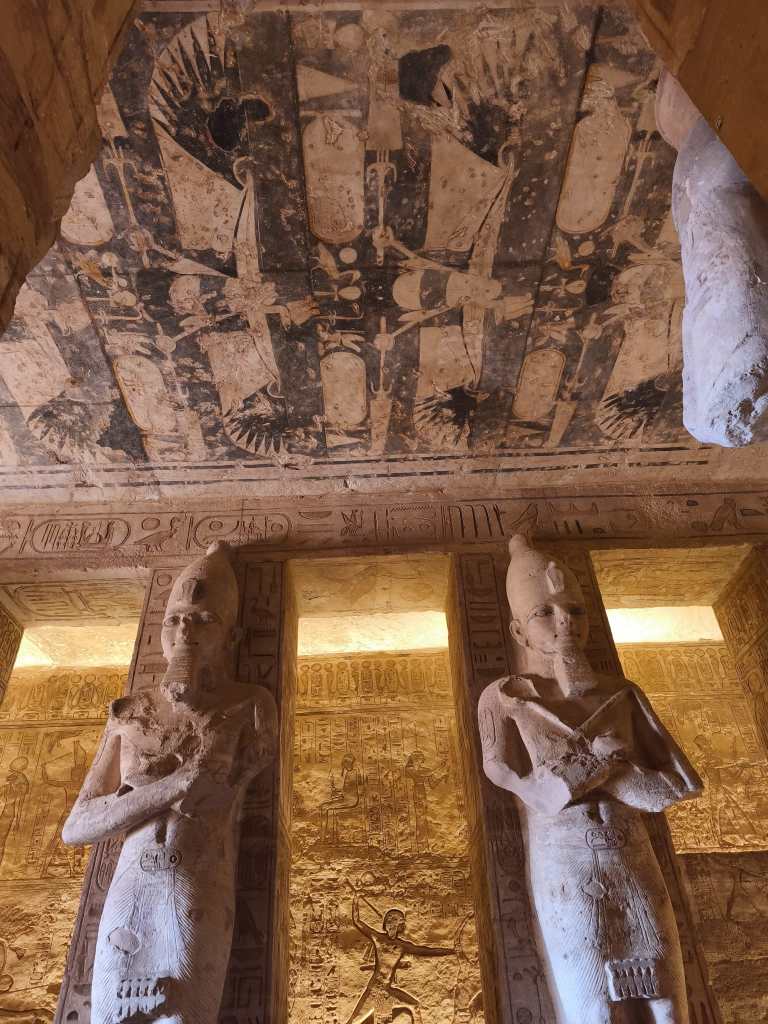
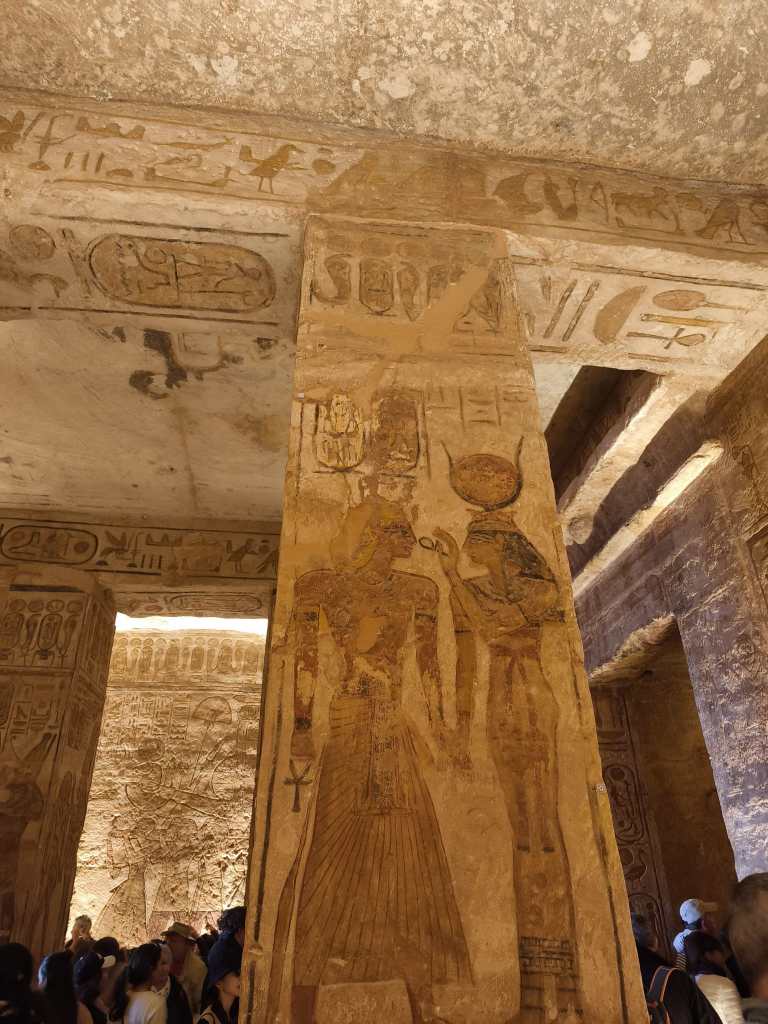
Here’s an interesting fact: The mightier the temple or pyramid, the more likely it was built for a male pharaoh. So the smaller pyramids that you’d see in Giza usually belongs to the queens. However, Ramesses II broke the tradition by constructing a temple for his wife Nefertari, whose temple exceeds the scale and splendor of many other temples built for pharaohs.
Yavaş Yavaş Hasan Şaş
I must say every Egyptian I had the chance to speak with was genuinely warm and friendly. With some of them I exhanged phone numbers in case they wanted to visit Istanbul someday. But always bargain with the vendors or cab drivers beforehand.
The weirdest part of my journey was a phenomenon called “Yavaş yavaş Hasan Şaş”. If an Egyptian local finds out that you are from Turkey, they are quick to utter the sentence Yavaş yavaş Hasan Şaş. I was really baffled to hear this, especially since Hasan Şaş had retired from playing football over a decade ago. Even Mickey Mouse’s handler, the 13-year-old kid, used the phrase, and I was pretty sure he had no idea who Hasan Şaş was. So I asked around, because I literally heard this saying from five or six people and nobody seemed to know where it originated. The only concrete explanation I received from a local was that Egyptians often encode different nations with specific phrases or stereotypes and this particular one was assigned to Turkey.


 Notes from Blank Page
Leave a comment