In a cab. From the Patriarch’s Ponds to Odintsovo. Moscow Never Sleeps plays on the radio. Only an orphan’s heart is colder than this city.
I had the opportunity to visit Moscow upon the invitation of my beloved friend who works there. Russia is one of the few countries where it is easier for a Turk to get a visa (e-visa in fact) compared to Europeans. Flights from Istanbul to Vnukovo are cheap, frequent. I went there late March 2025.
At passport control, I waited around 10 mins. Not because of procedure or animosity. Apparently, there was a system glitch with the electronic logs at that time. I don’t mind. However, if you bring three bottles of rakı, no glitch in the system will save you from a search at the customs.
Pro-tip #1: Never take an airport cab without negotiating first. My driver was Kyrgyz, raised in Uzbekistan (or the other way around). We spoke Turkish the whole ride. I thought being cordial would somehow reflect on my fare. Wrong. I probably paid triple what a normal cab would have cost. If only I had known the exchange rate or the taxi fares better.
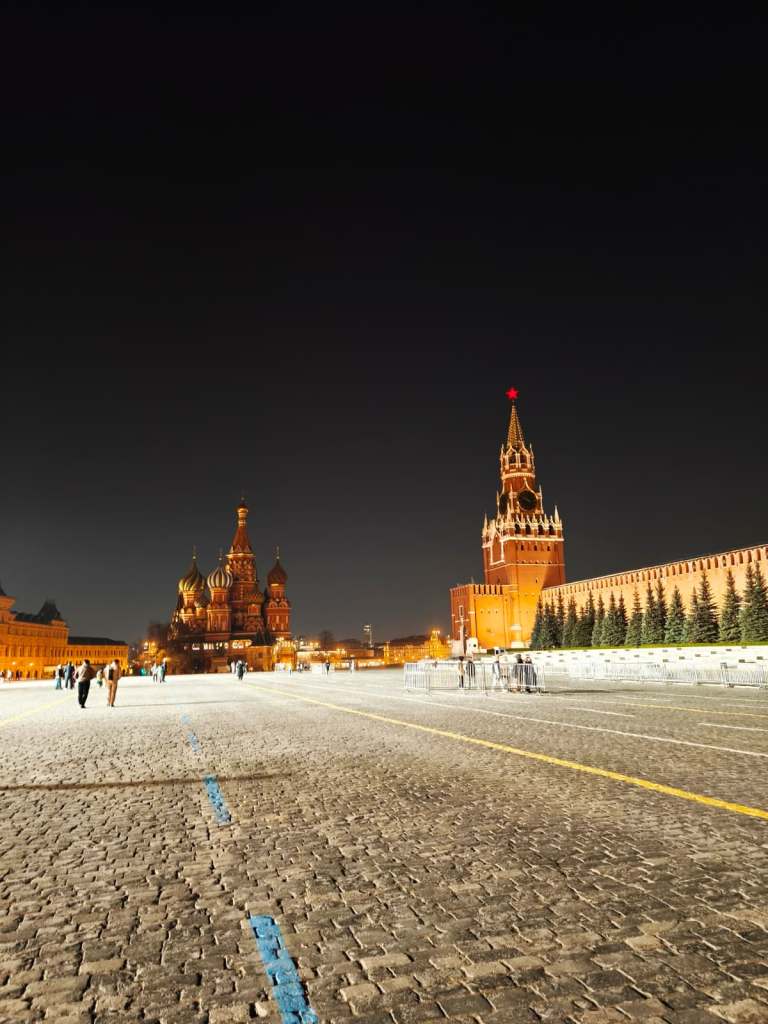
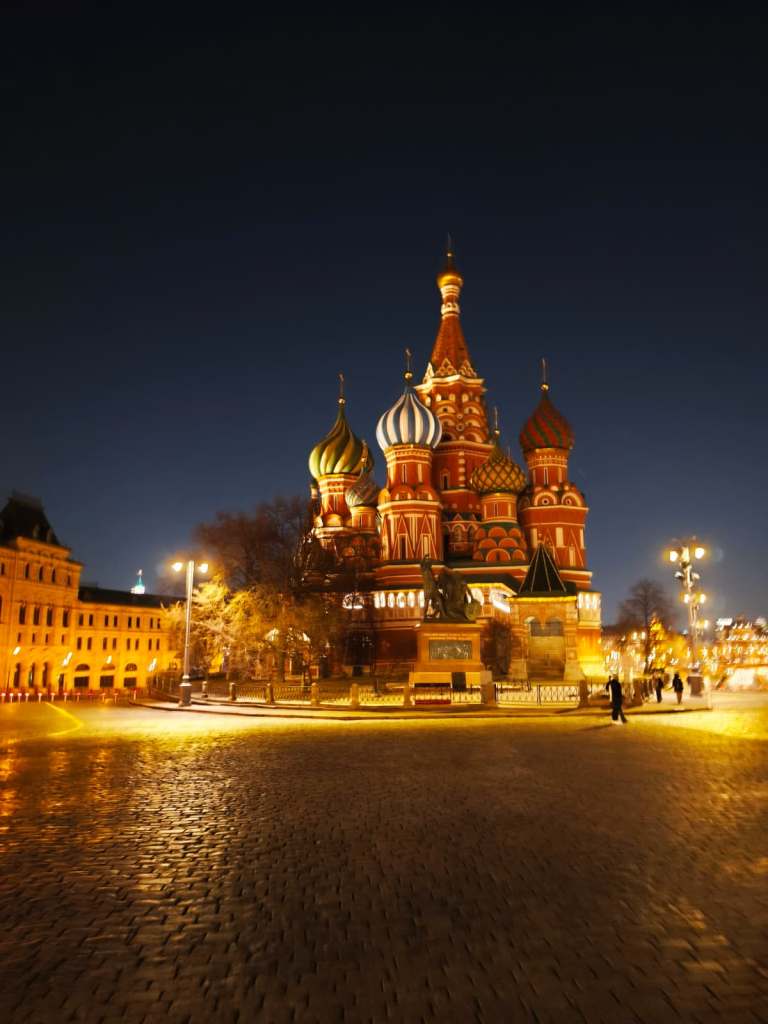
First stop of the night: Red Square. I can’t tell why the Red Square is much less crowded than I anticipated, whether it is Monday at 10 pm or the weather being colder than Lenin’s body nearby. We quickly made our way for drinks, and a couple of beers after I was already wasted enough to continue touring the city.
For some reason, I chose to prioritize visiting museums and galleries over sightseeing for the first couple of days in Moscow. I started at the Pushkin State Museum of Fine Arts, and oh boy, it’s literally a whirlwind of European, Mesopotamian, Egyptian, Roman, and Hellenic heritage all under one roof. I lost track of the hours I spent trying to examine every art piece there. I know many of the artworks at the Pushkin Museum are replicas, but when it comes to imitations, Russians are apparently no less skilled than the Chinese or the Turks.
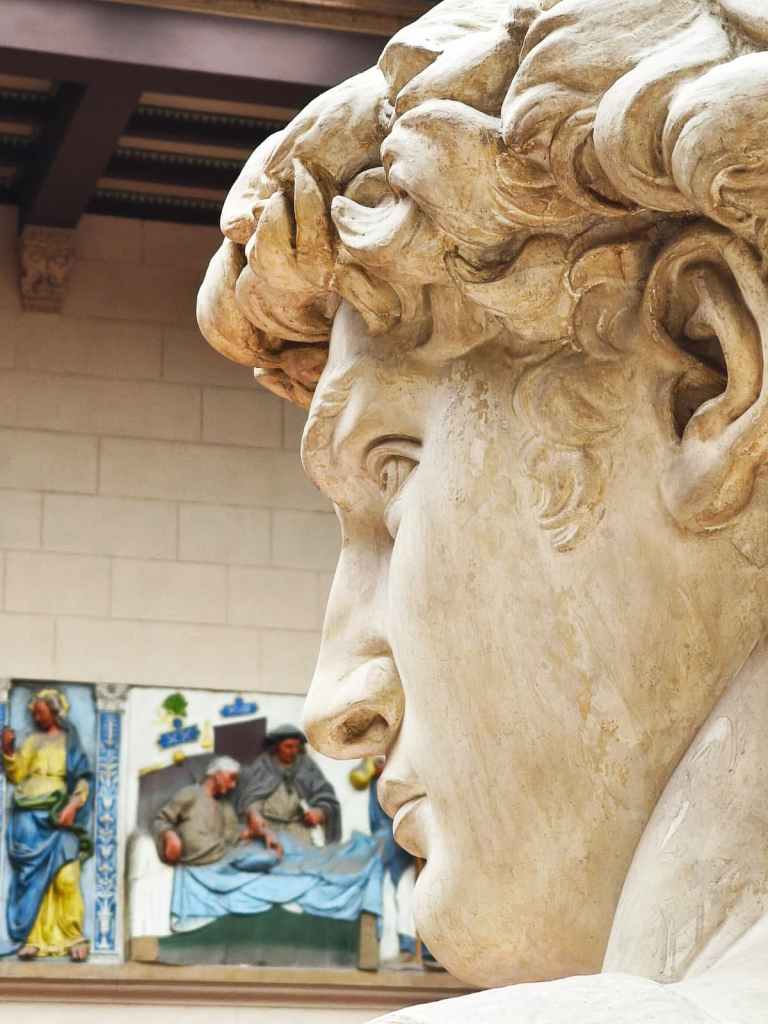
My personal favorites from the Pushkinsky Museum were Portrait of Napoleon I, Porta del Paradiso, Tomb of Friedrich III, Christ in the House of Martha and Mary, Toro Farnese and of course, the giant marble statue of David.
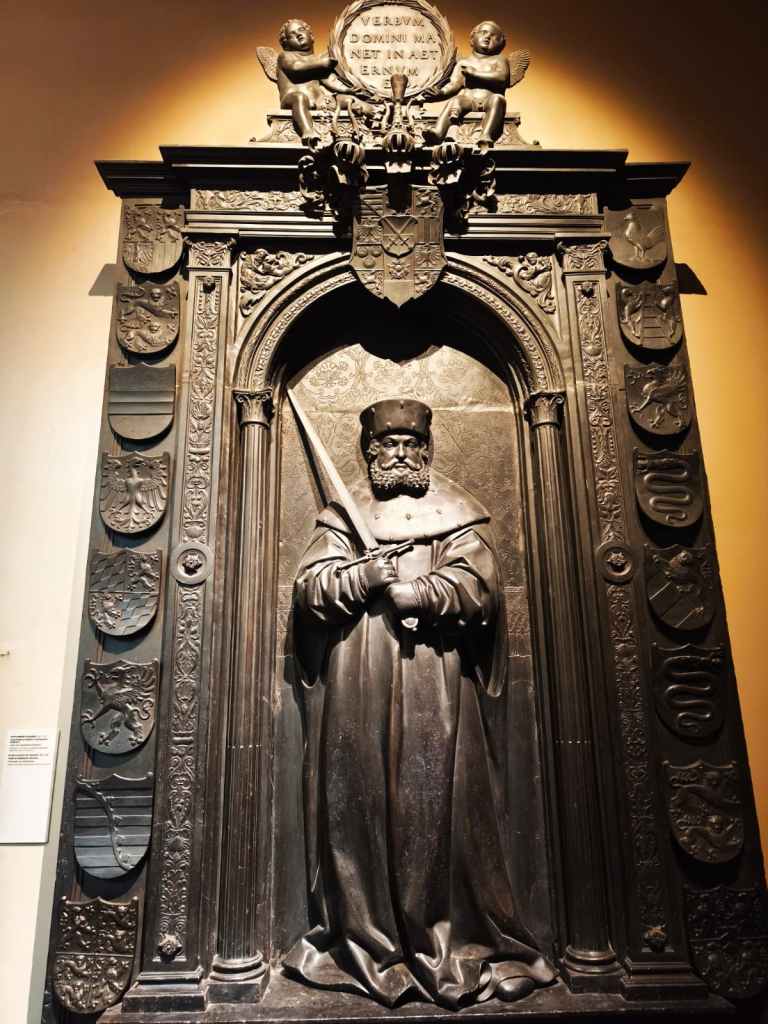
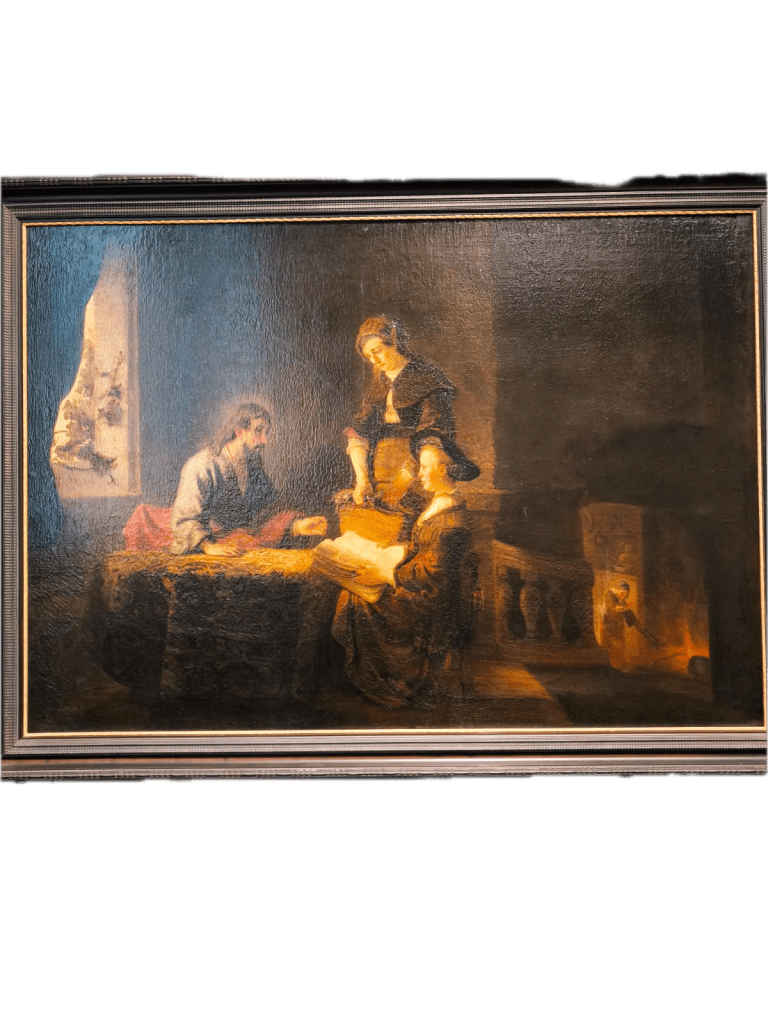
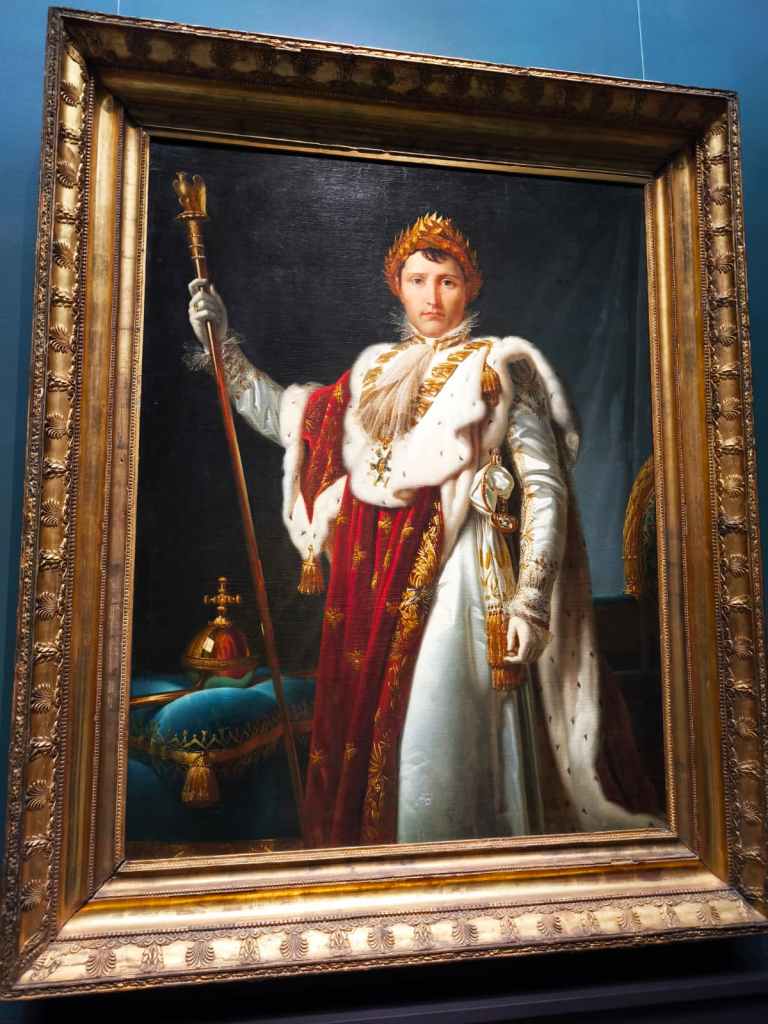
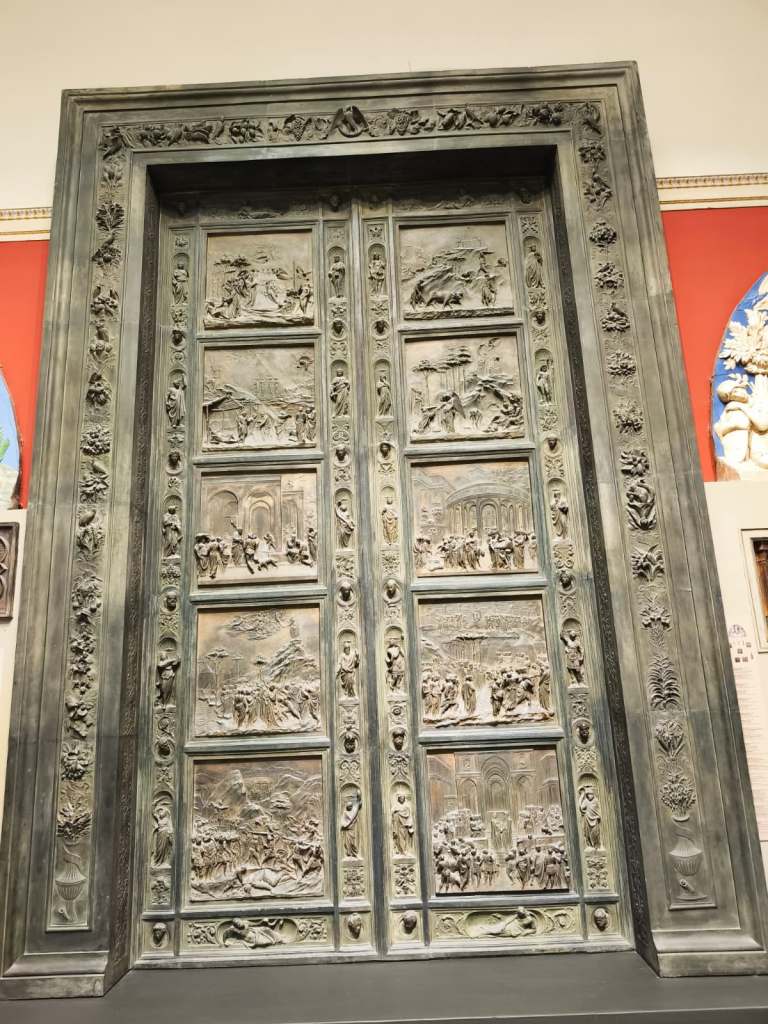

Next up was more art and culture at the State Tretyakov Gallery. Never did I think I would enjoy myself visiting an art gallery just for the paintings. I spent extra minutes before Aivazovsky’s depictions of Istanbul, the damned city I can’t escape no matter how far I go.
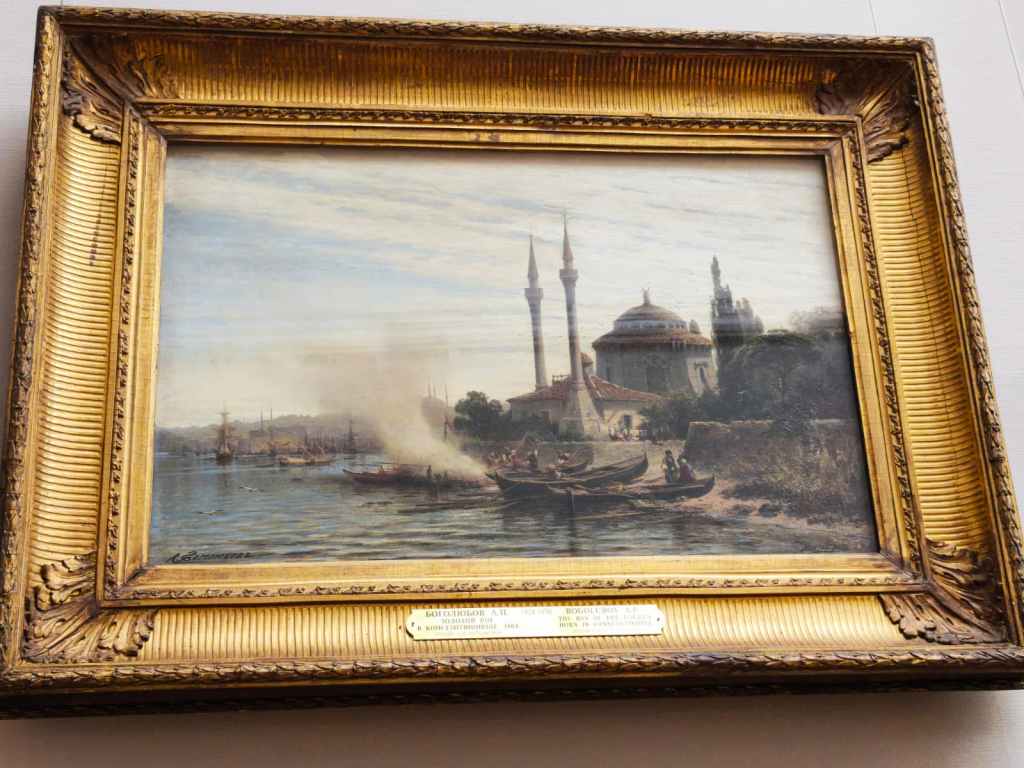
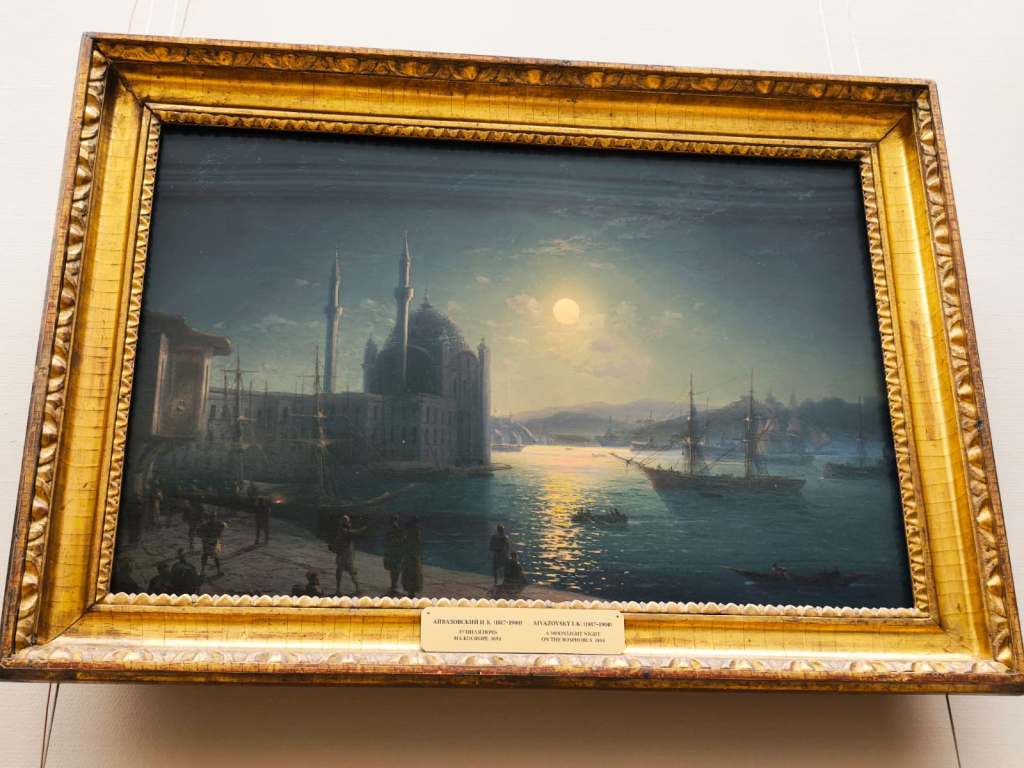
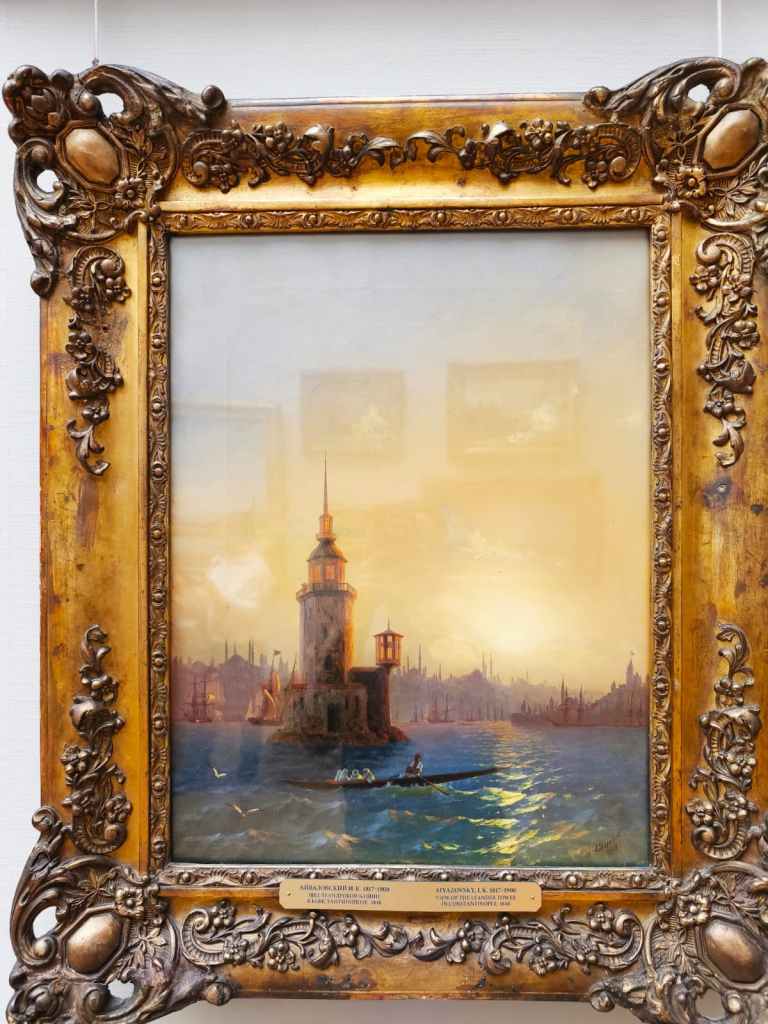
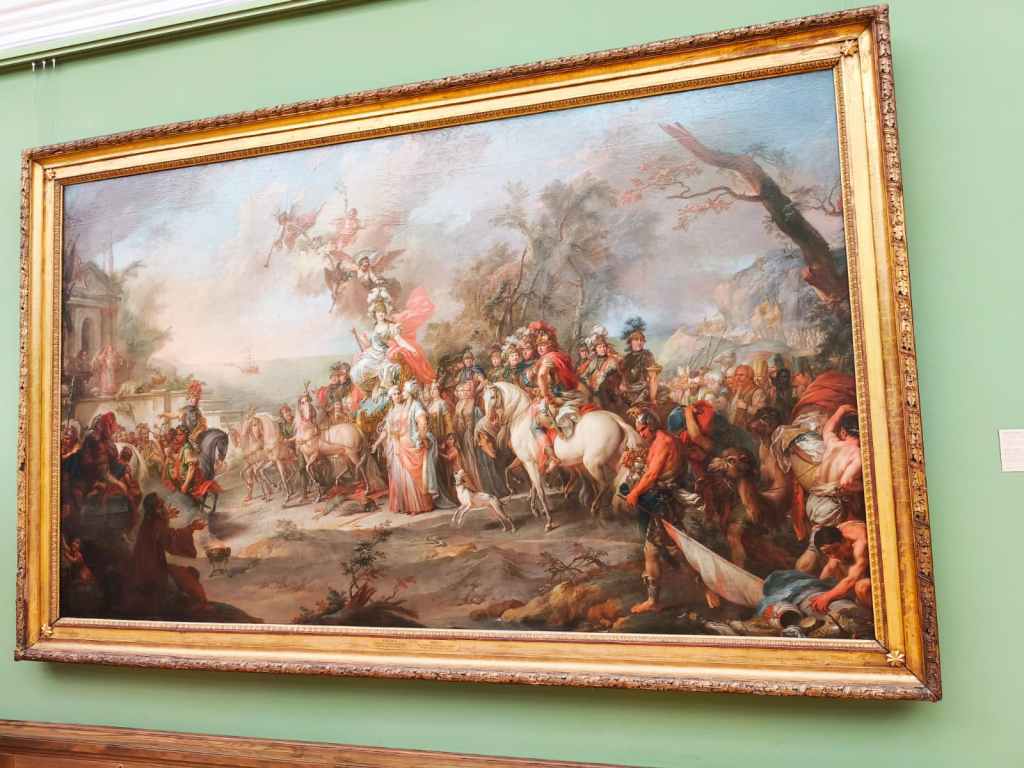
What was interesting to note is that one of the first paintings you encounter upon entrance to Tretyakov is Torelli’s massive Allegory of Catherine the Great’s Victory over the Turks and Tatars, depicting Russian victory in the 1768–1774 war. I had to google which war was this given Catherine the Great had waged two wars against the Ottomans. It turns out we lost both.
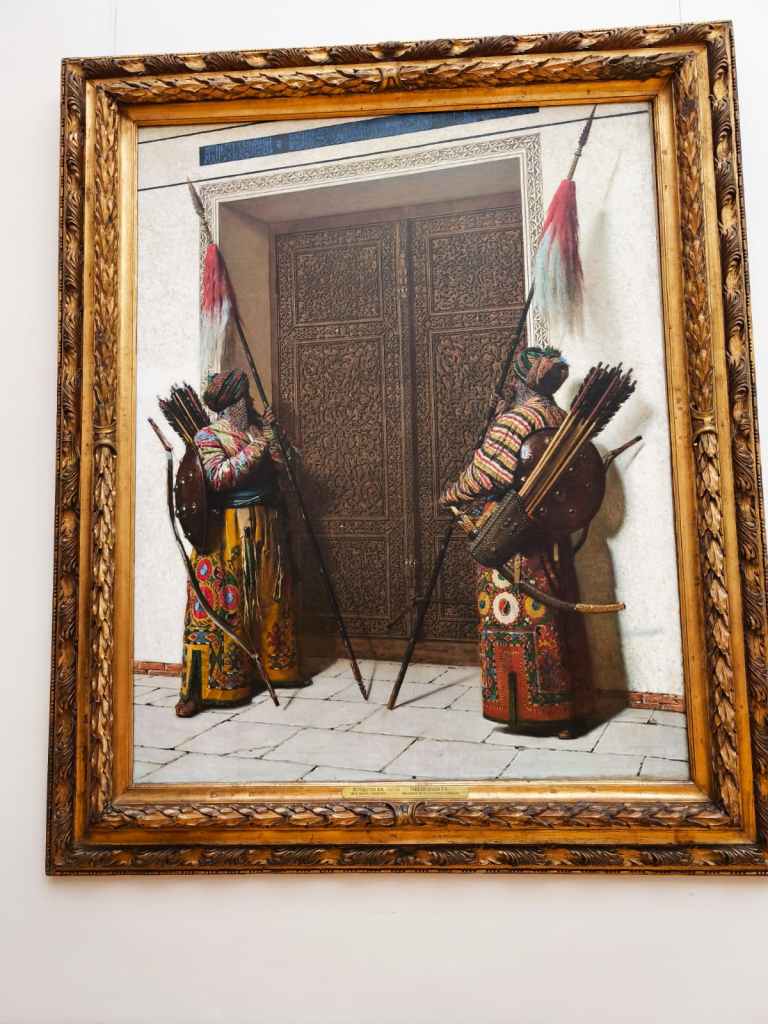
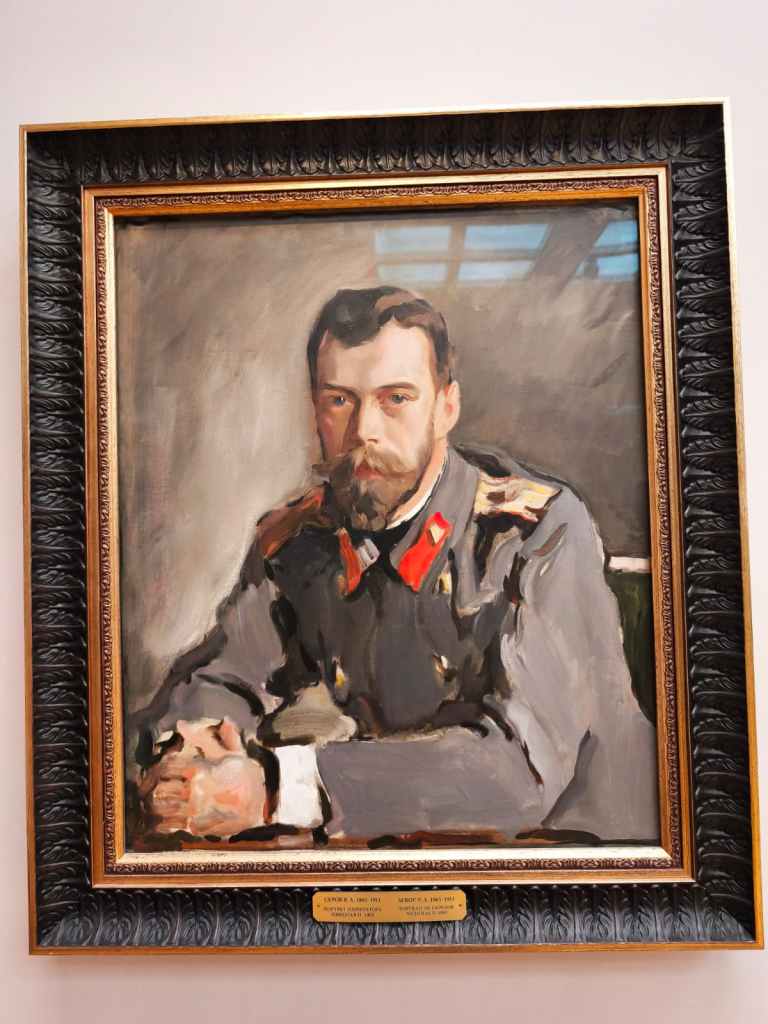
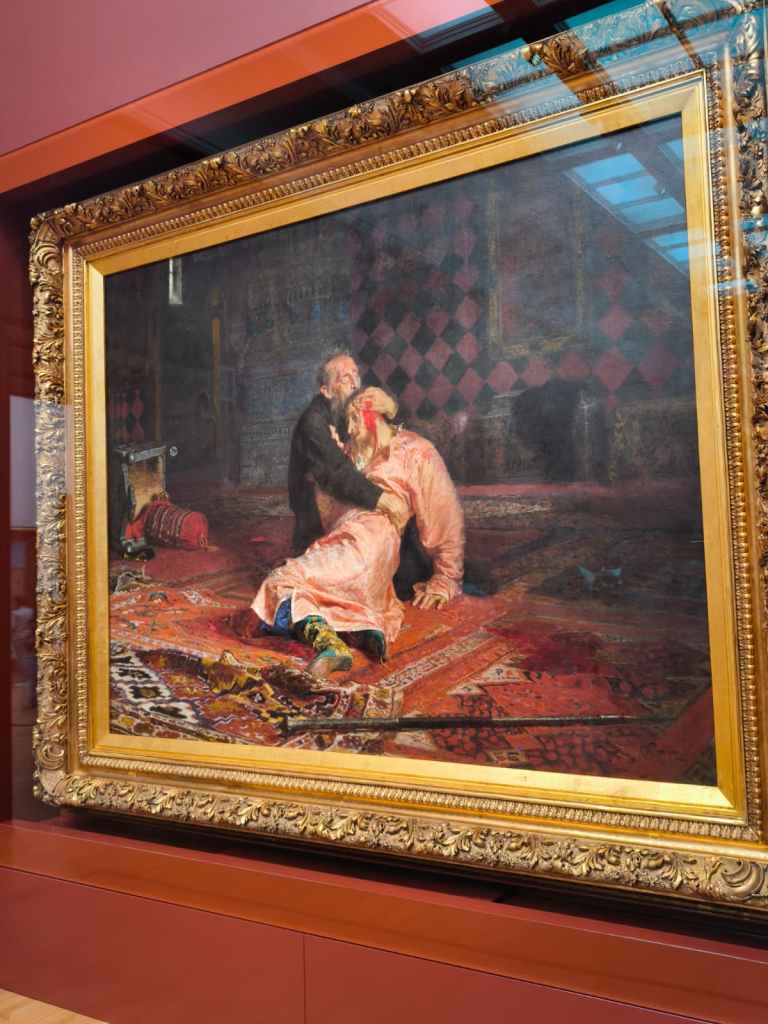
Personal favorites from the gallery: The Gates of the Palace of Timur, Portrait of Emperor Nicholas and obviously, the Gallery’s crown jewel Ivan the Terrible and His Son Ivan on 16 November 1581 by Repin.
Before moving on to other museums or sights in Moscow, let’s talk about the war. One thing a visitor nowadays can observe in Moscow is that the city is filled with patriotic/nationalistic murals and recruitment posters on the billboards. On Old Arbat Street, I saw eye-level posters commemorating the anniversary of Crimea’s annexation, or as they call it, its reunion with Russia. Near the statue of Vladimir the Great, entire building façades are covered in giant patriotic murals like these:
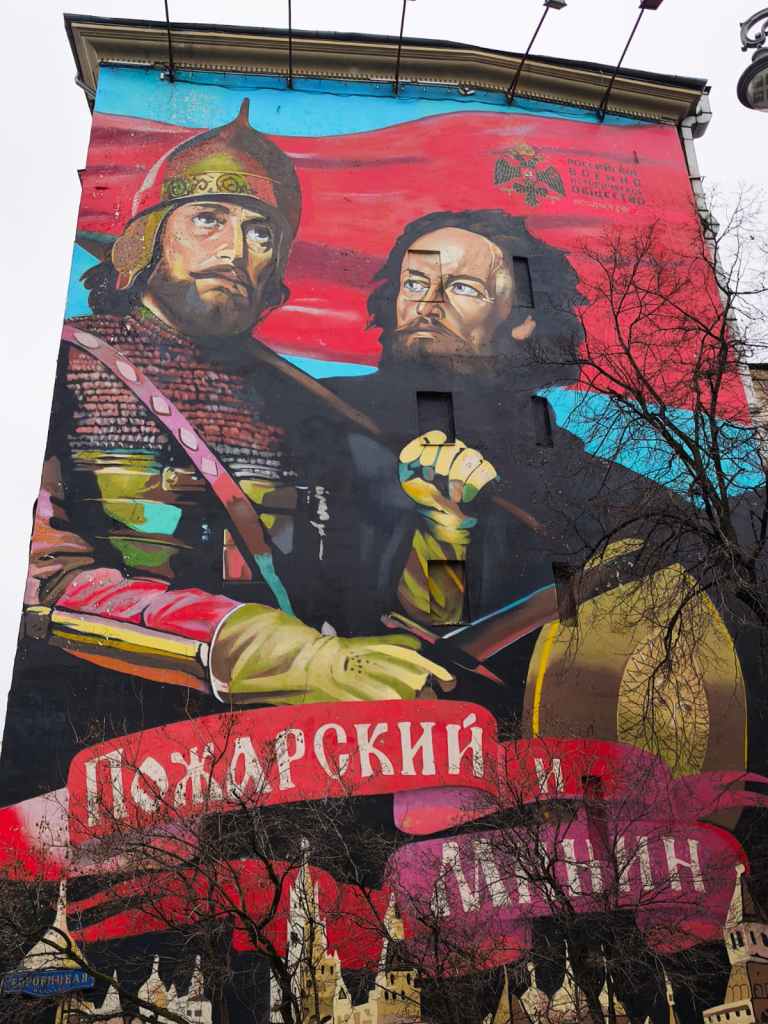
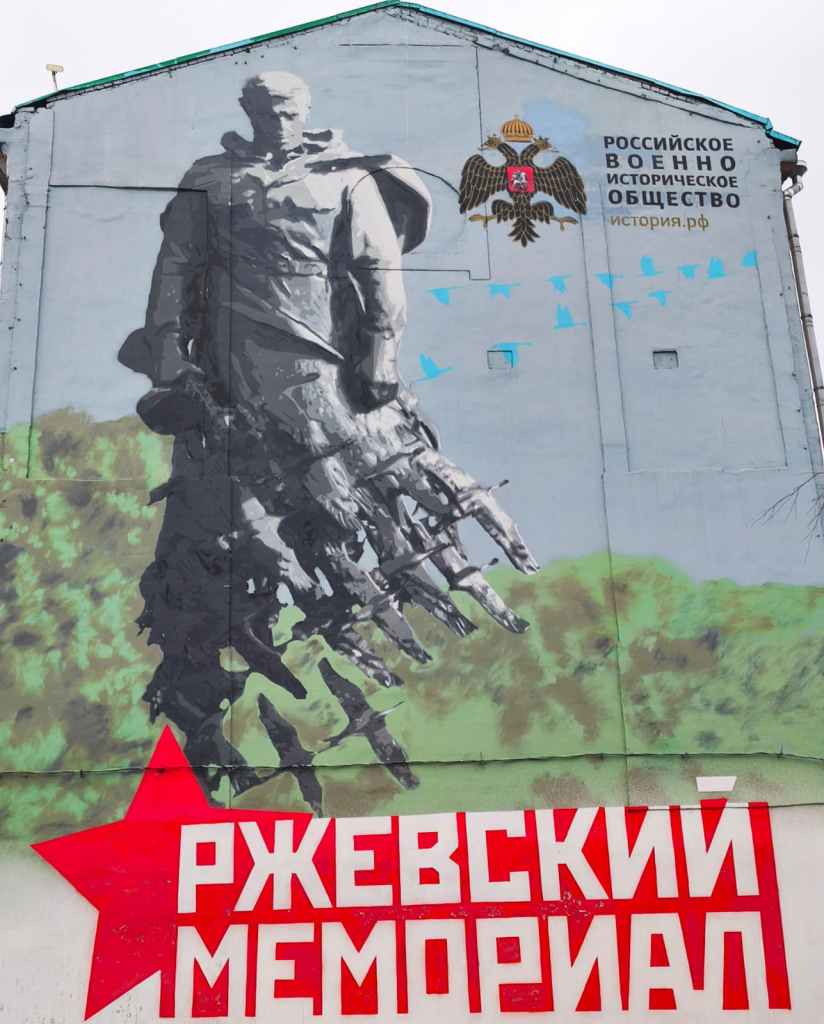
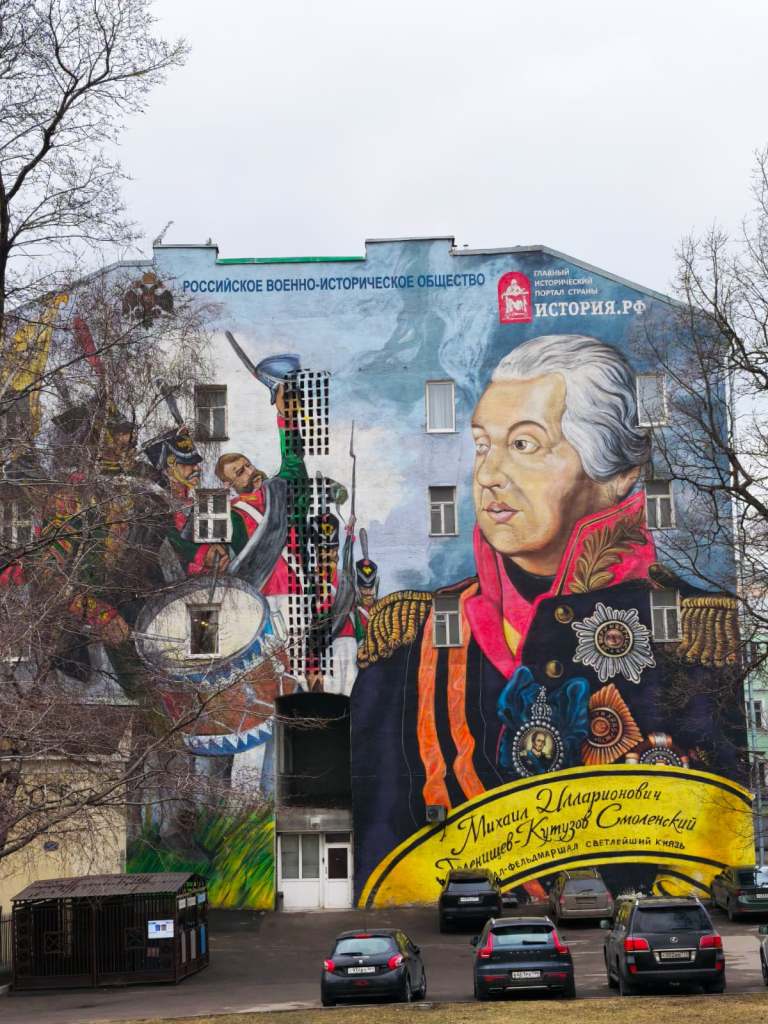

Vladimir the Great was the Kievan Rus ruler who converted to Christianity and is regarded, at least by Putin, as the common ancestor of Russians, Ukrainians, and Belarusians. Ironically, today’s warring Vladimir and Volodymyr bear the name of this forefather.
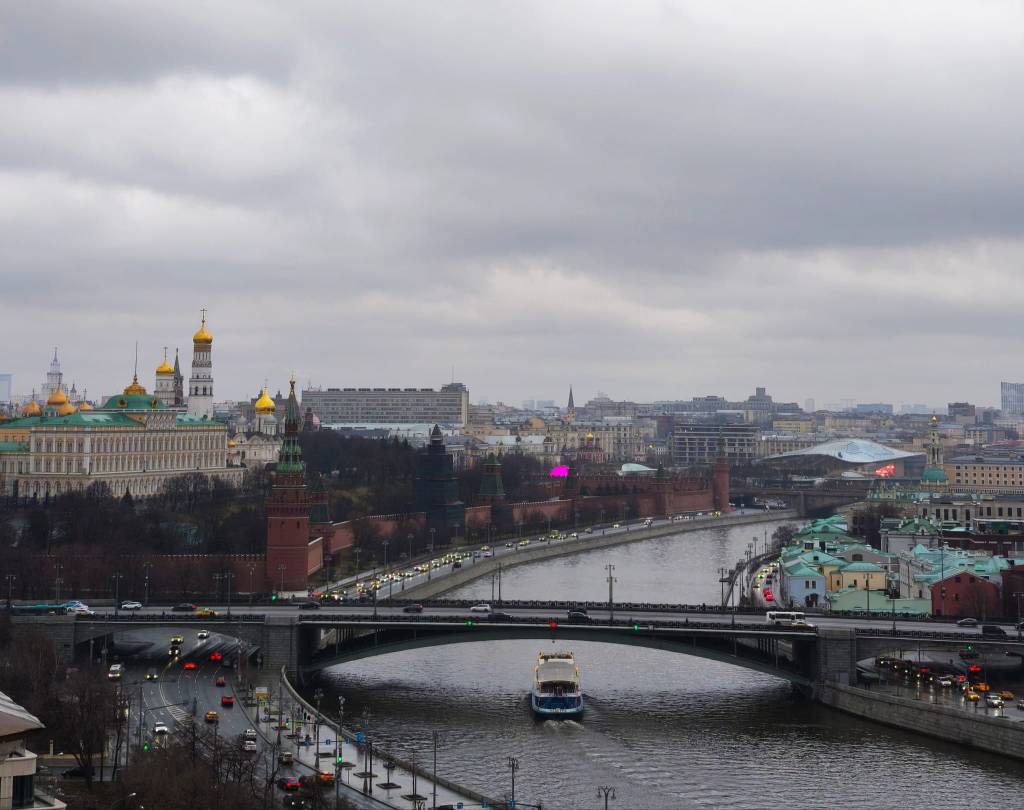
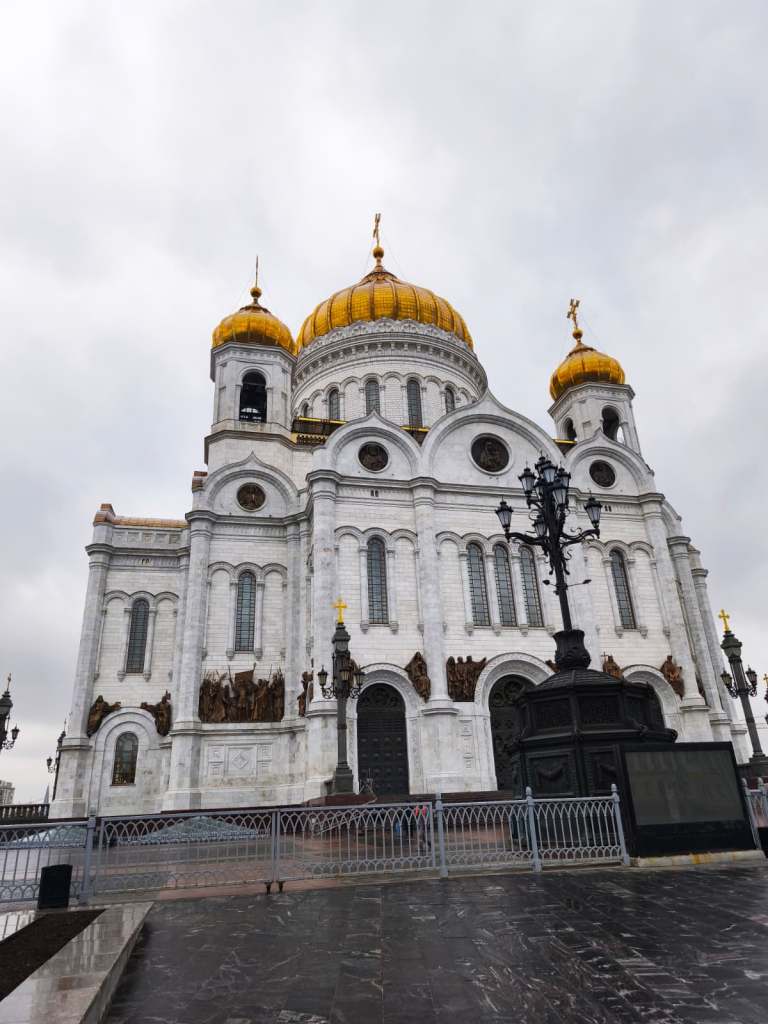
In Moscow, a short walk is enough to stumble on another monument, another sight. That’s basically how I made my way to the Cathedral of Christ the Savior. I avoided photographing the interior out of respect for those at prayer, which included lots of bowing and kissing the icons, but from the terrace I captured fascinating views of Moscow.
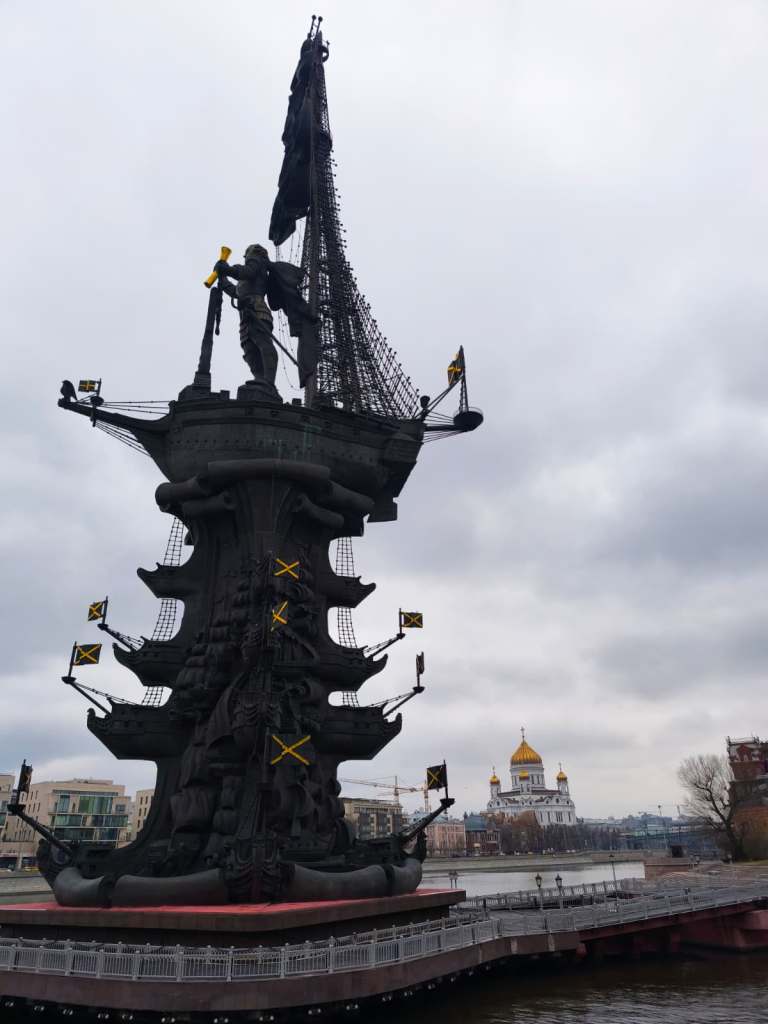
Then, Peter the Great was awaiting me on the Moskva River. Apparently, the Statue was erected there to commemorate the 300th anniversary of the establishment of the Russian Navy by Peter the Great.
I spent exhausting myself on monuments, museums and sights during daylight in Moscow. And nights, on drinks.
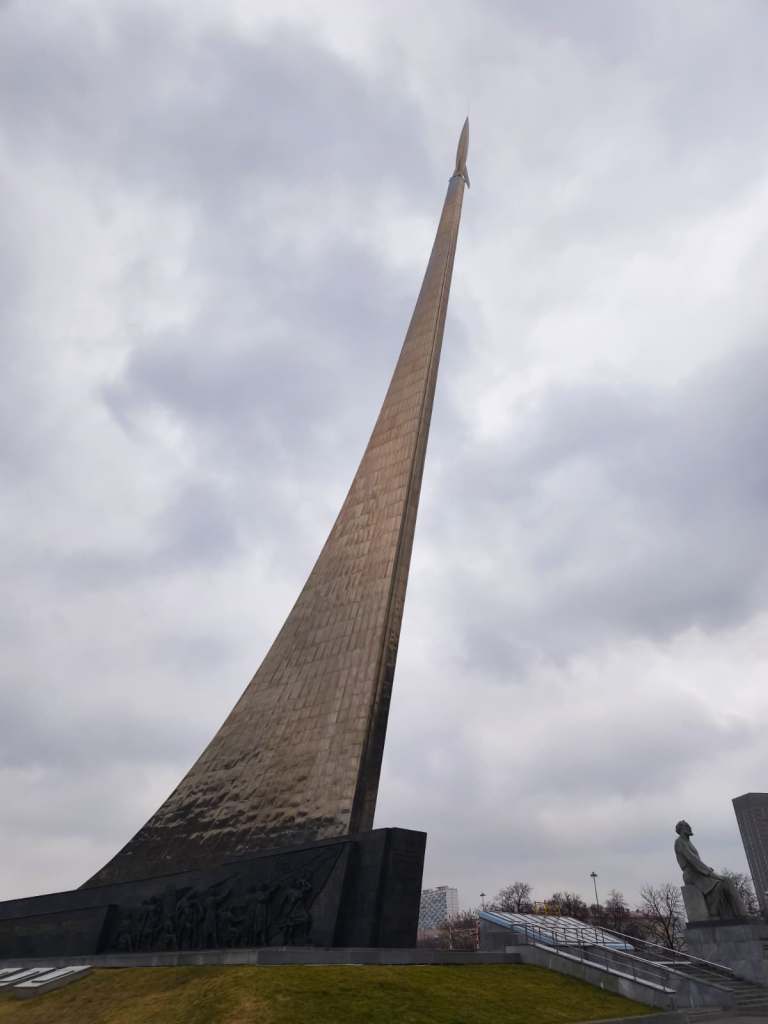
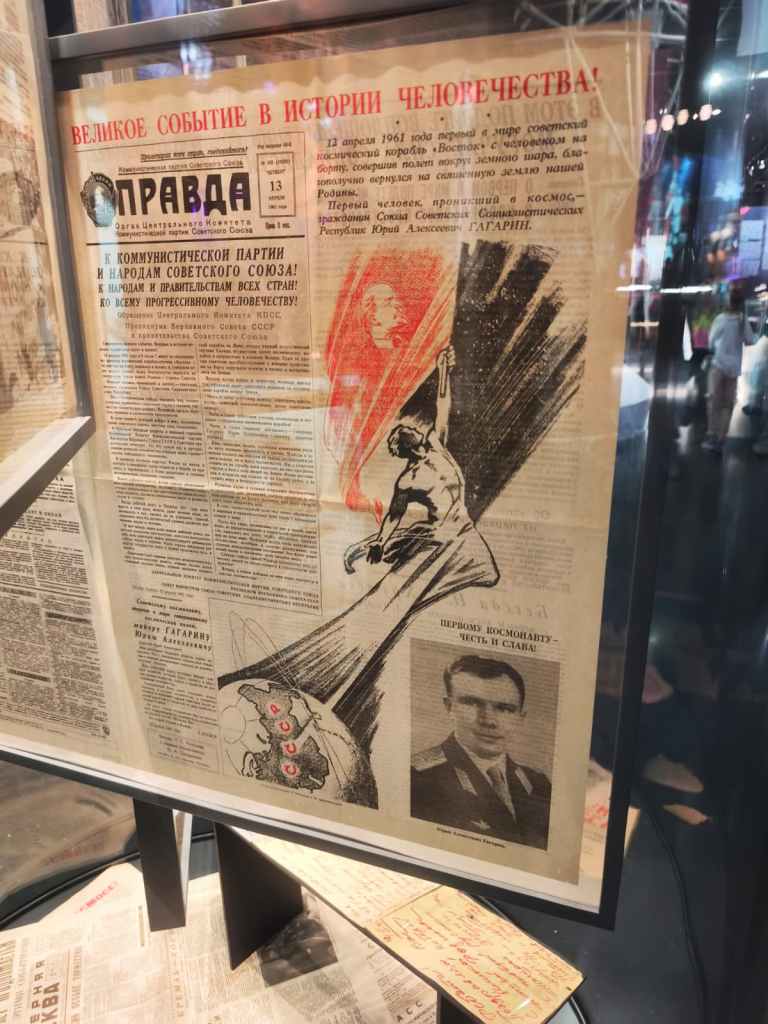
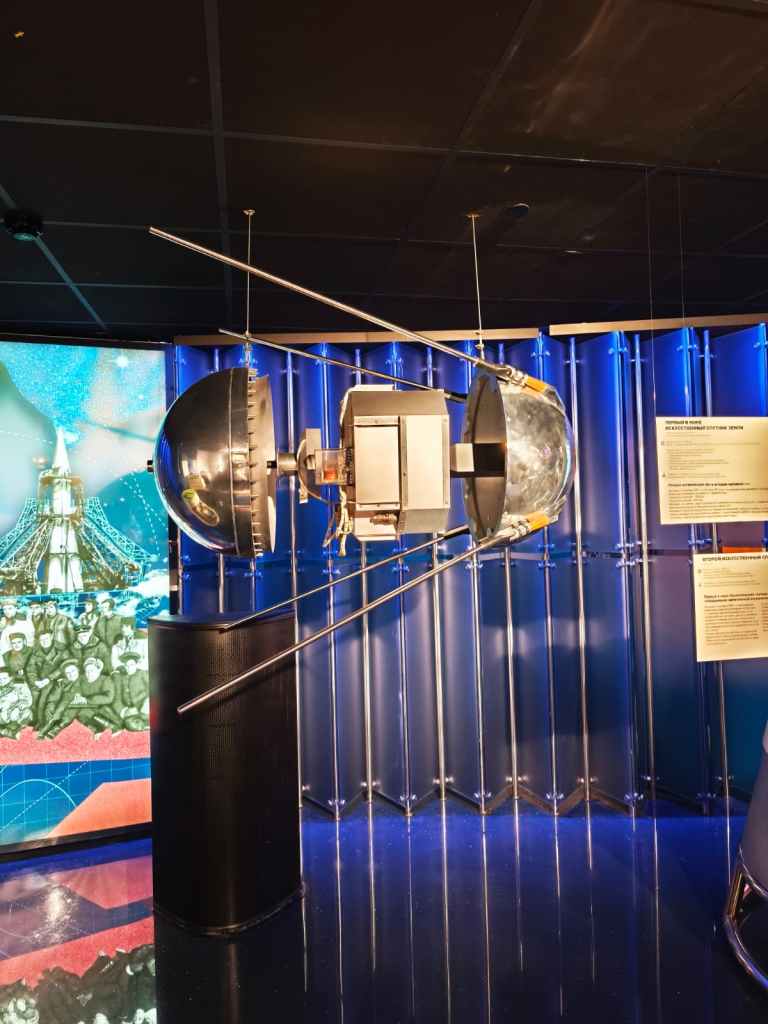
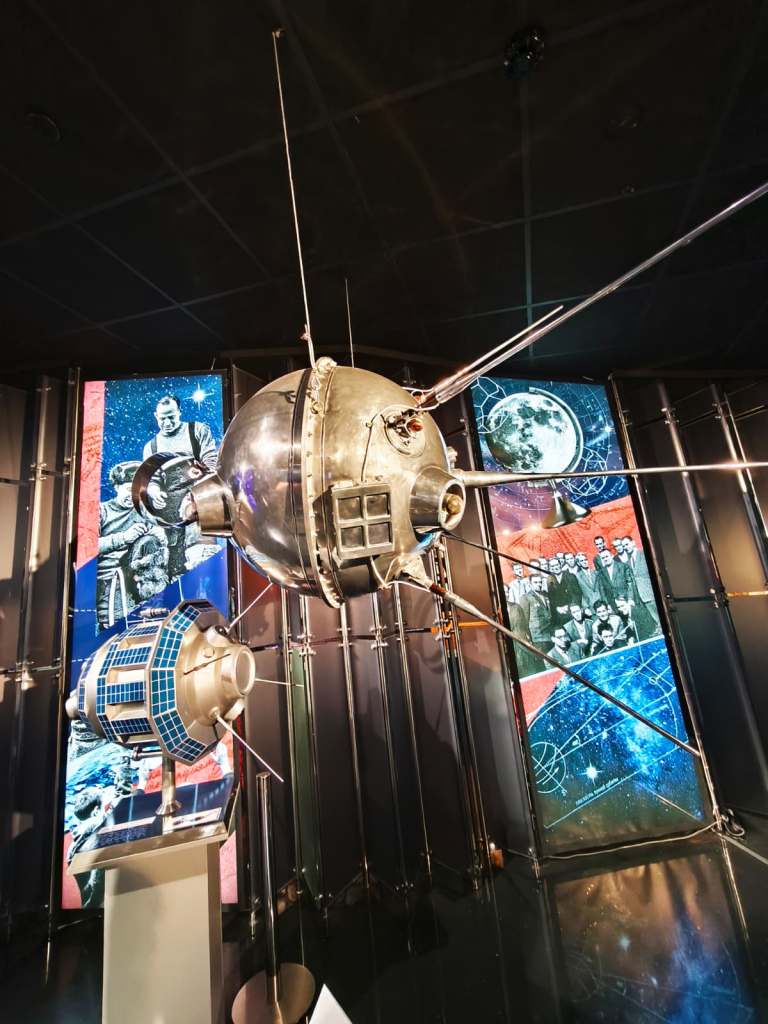
The Museum of Cosmonautics was another must-go for me. Located in the northern part of the city, this museum showcases every aspect of the Soviet and Russian space programs, from satellites and rockets to cosmonauts like Laika and Gagarin. You can infer how Soviet pioneering of space intersects with Russian national pride today by looking at old editions of Pravda and replicas of Sputnik and Luna spacecraft.

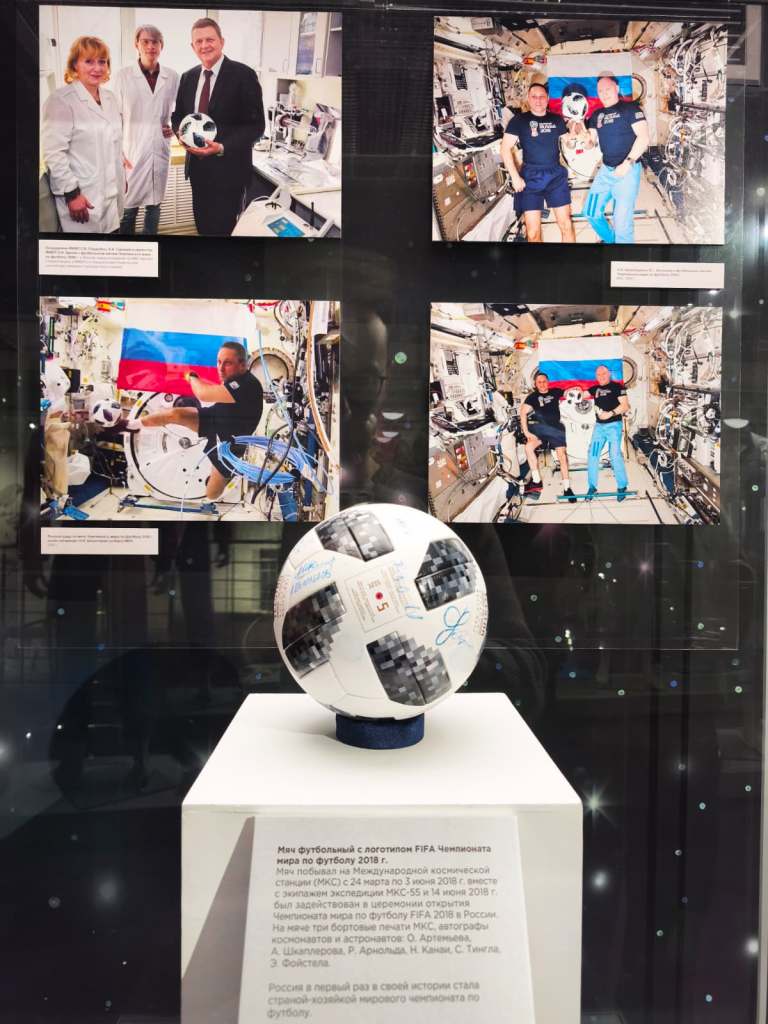
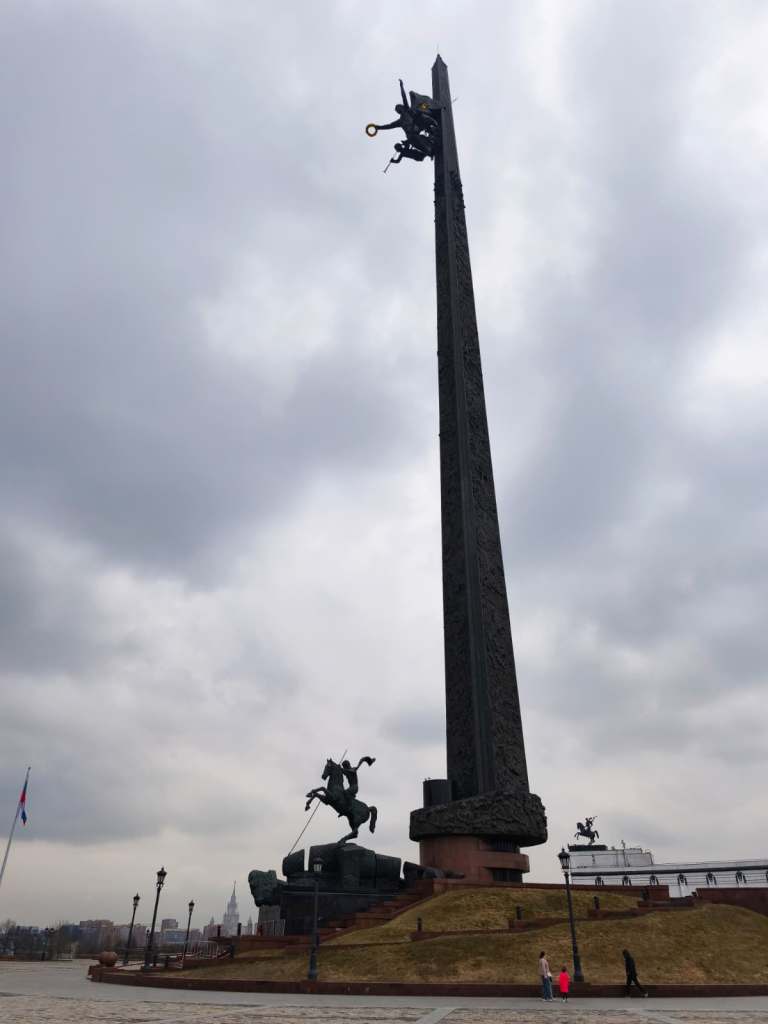
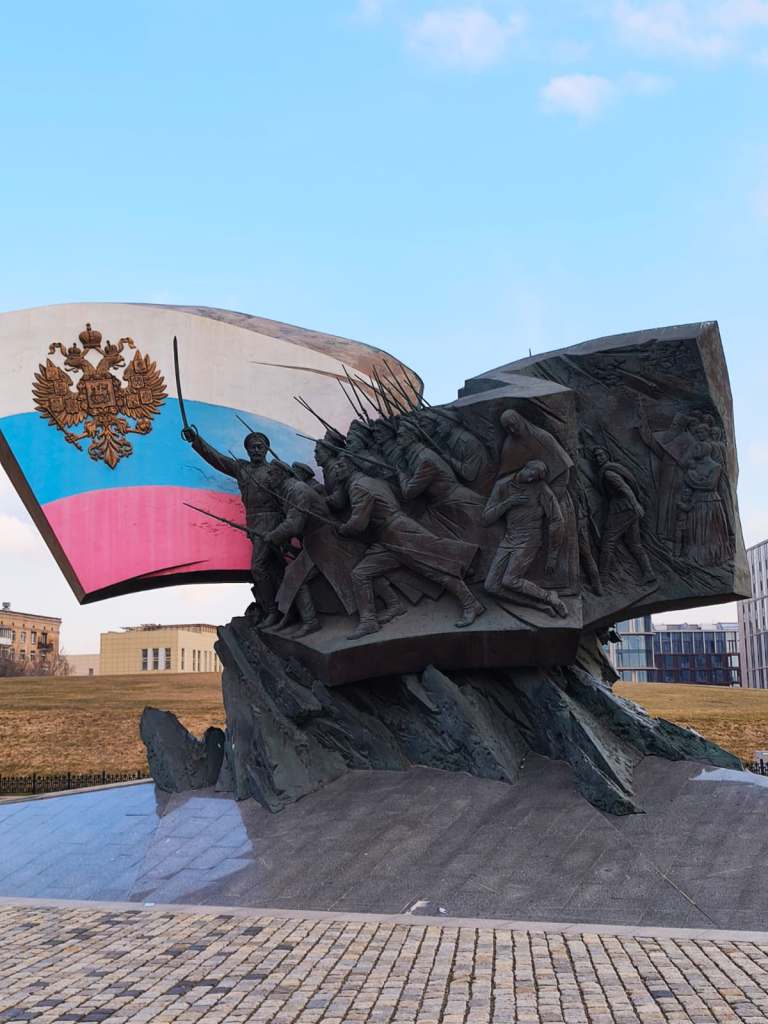
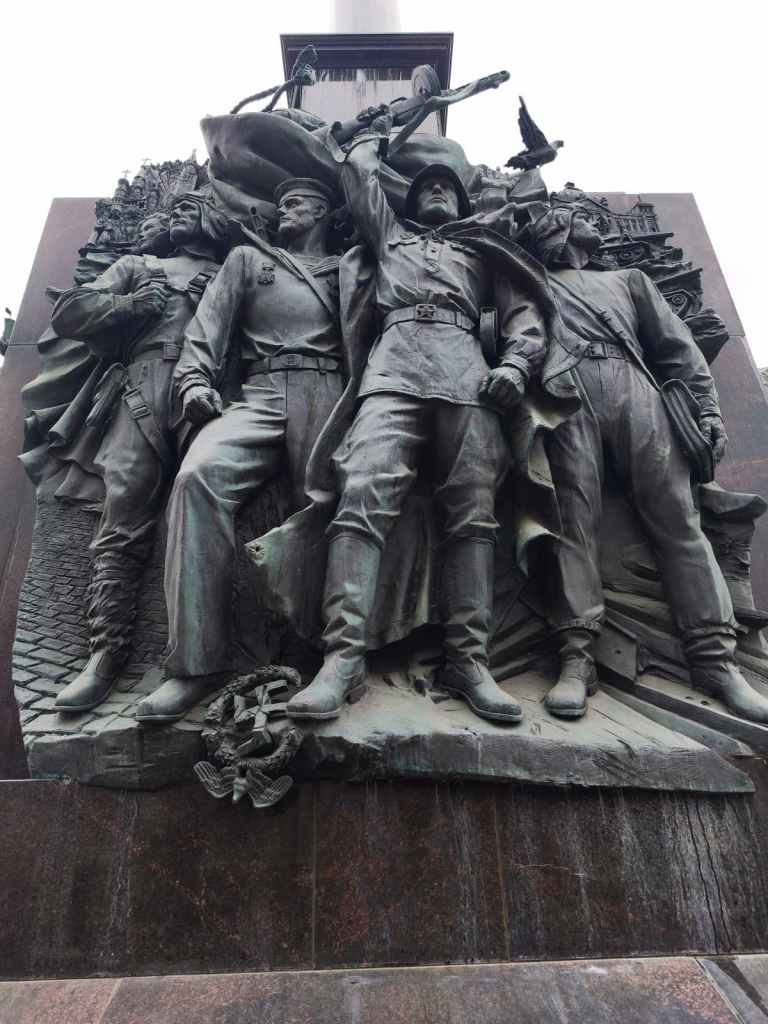
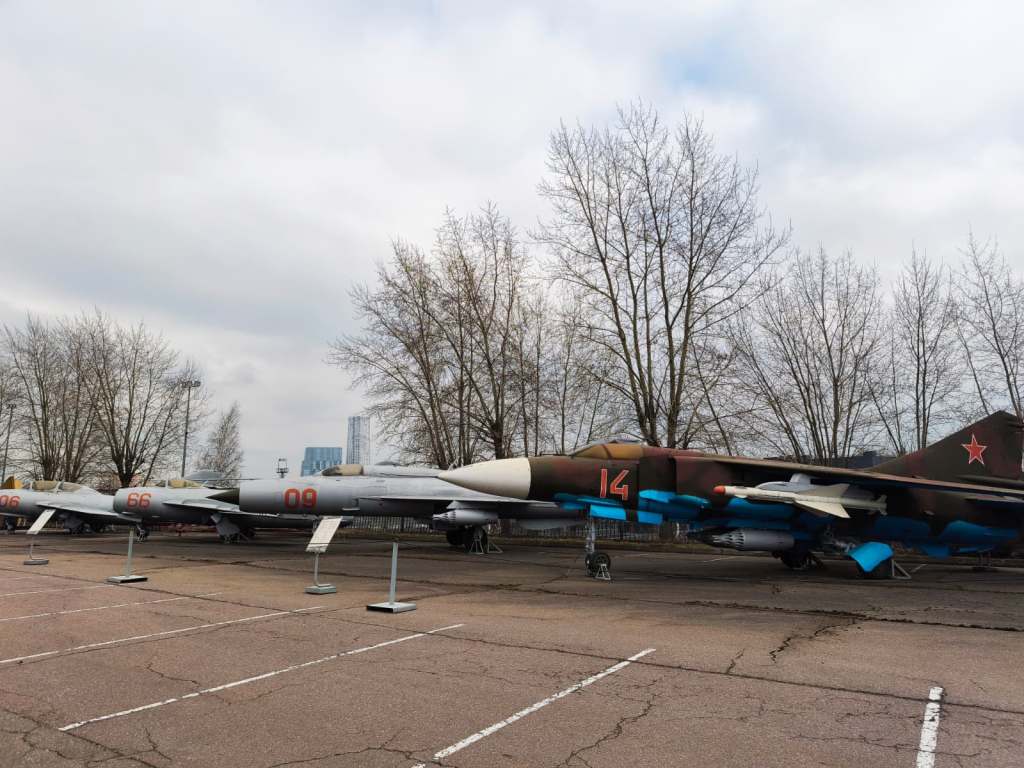
Towards the end of my trip, it was time for the main course: Victory Park, the Victory Museum, and the surrounding museums filled with Soviet and German tanks, aircraft, and other military equipment. This is the spot, I am not sure about historical accuracy, where Napoleon came and expected Russians to surrender the city. At the heart of Park Pobedy stands a tall obelisk where Nike, the goddess of victory, reigns at the top. Saint George’s statue is also present nearby, a good fusion of pagan and Christian symbols of victory.
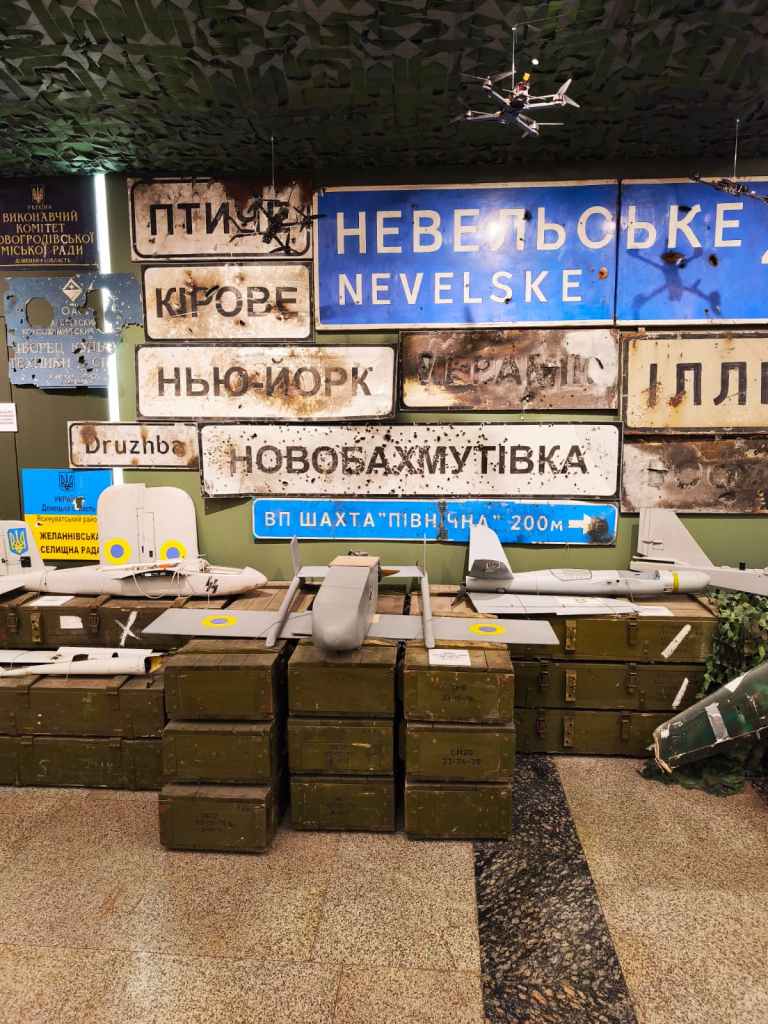
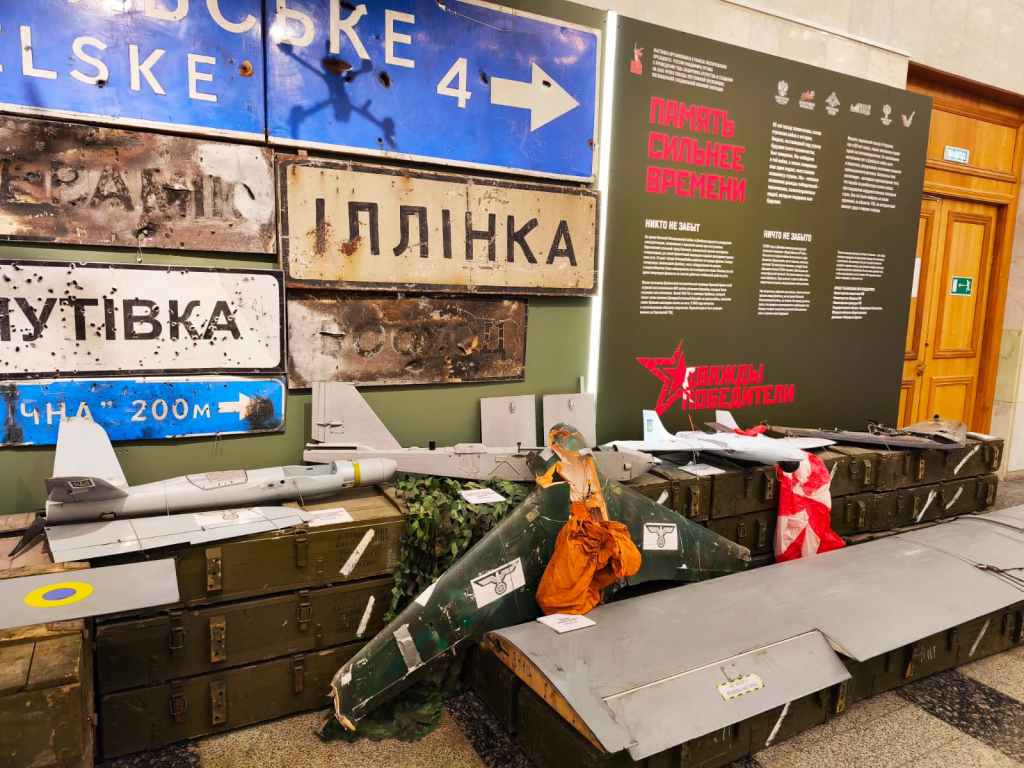
The Museum of the Great Patriotic War, with its colossal size, reminds you how big of a role the Second World War plays in shaping the Russian national identity today. I was not expecting to come across a section devoted to Ukraine and NATO in the museum, and I immediately started reading up on how these topics were presented. As you would expect, these sections were not in English but Russian – surprise surprise – and I used Google Translate for a quick translation. Here is a gist for you:
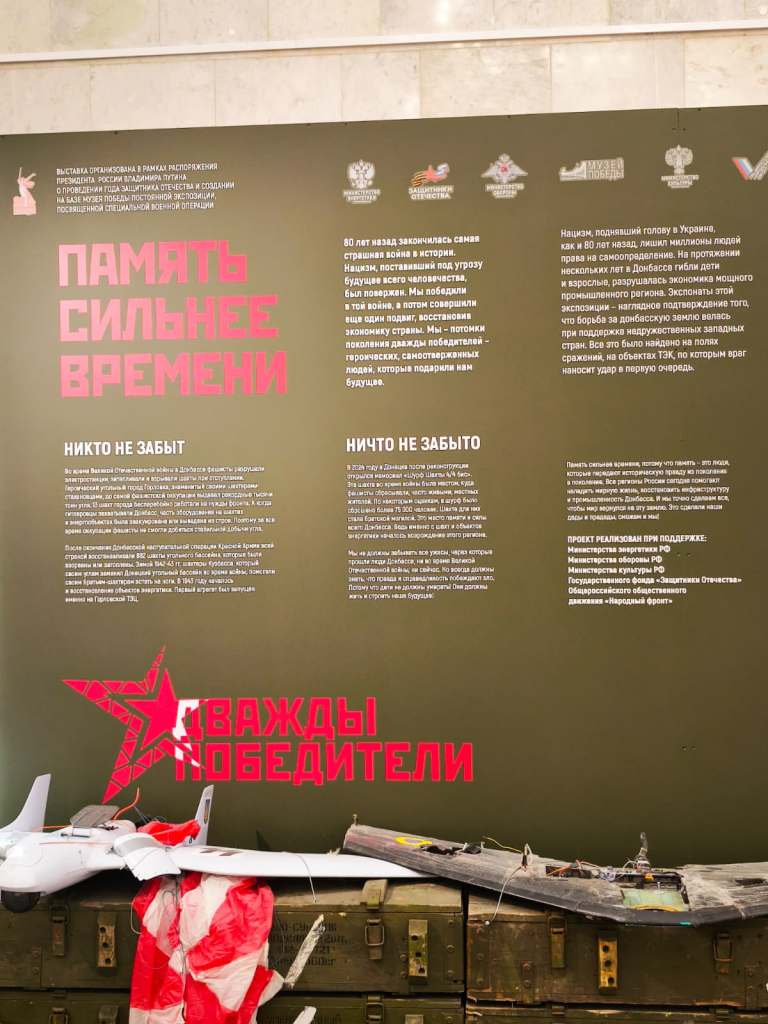
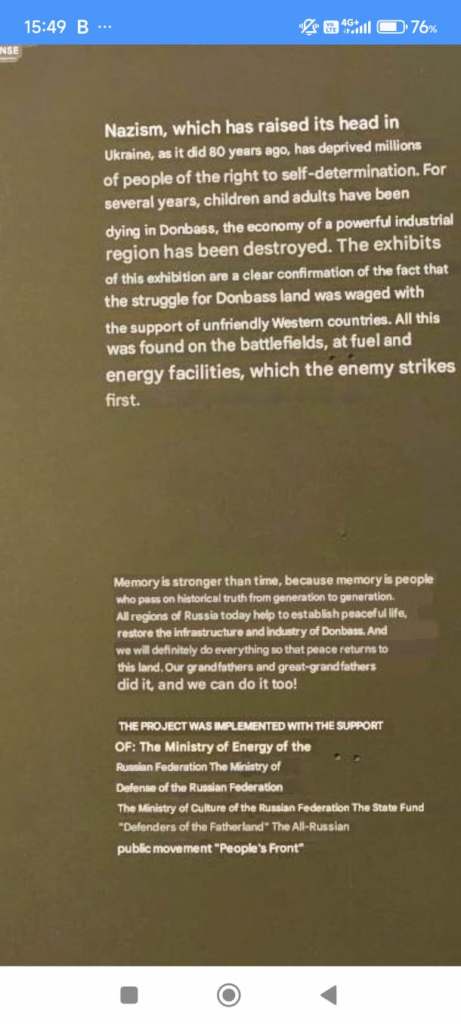
The Ukraine section displays captured Ukrainian drones and road signs taken by Russian forces, while the NATO part concerns how NATO has brought trouble to everything it touched, like Yugoslavia and Iraq. I wanted to make clear NATO had nothing to do with Iraq, but the question “to whom” was what held me back. The main hall of the museum honors the cities from which the heroes of the Soviet Union sacrificed their lives fighting in the Great War, and those cities, you guessed it, include Kyiv.

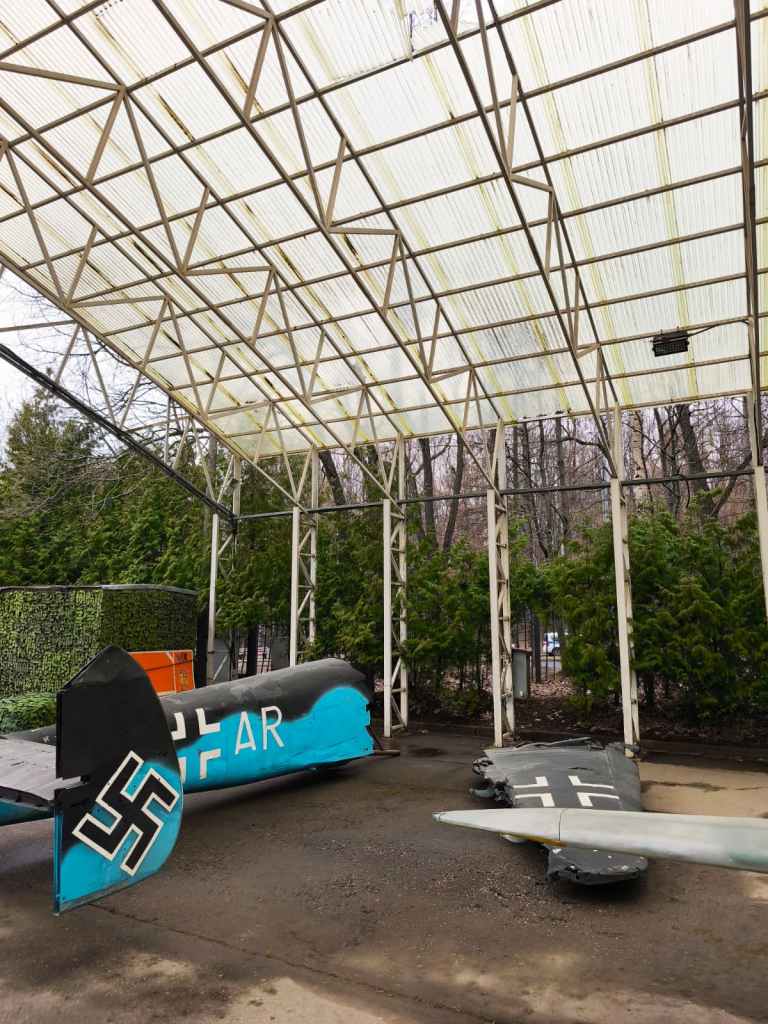
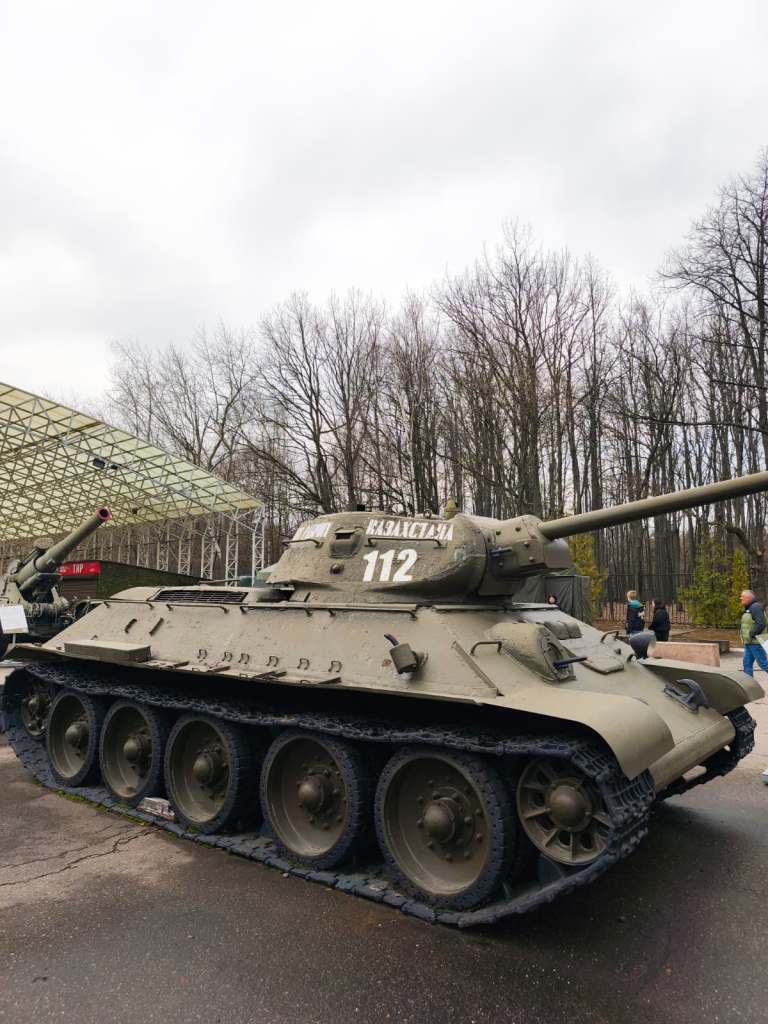
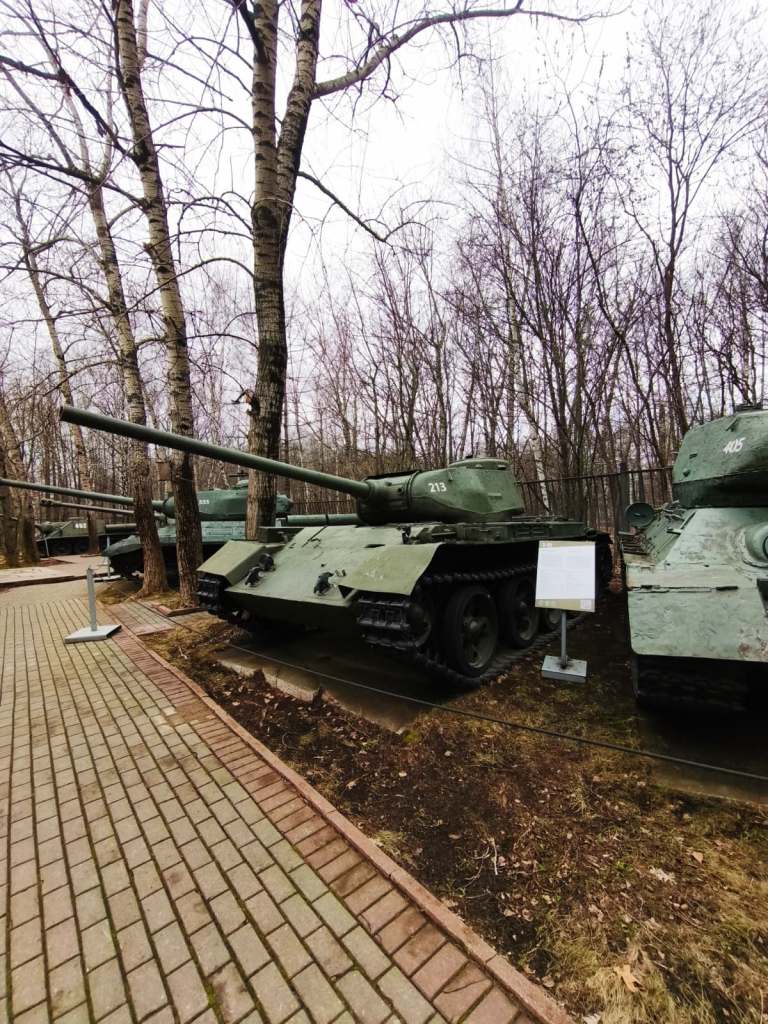
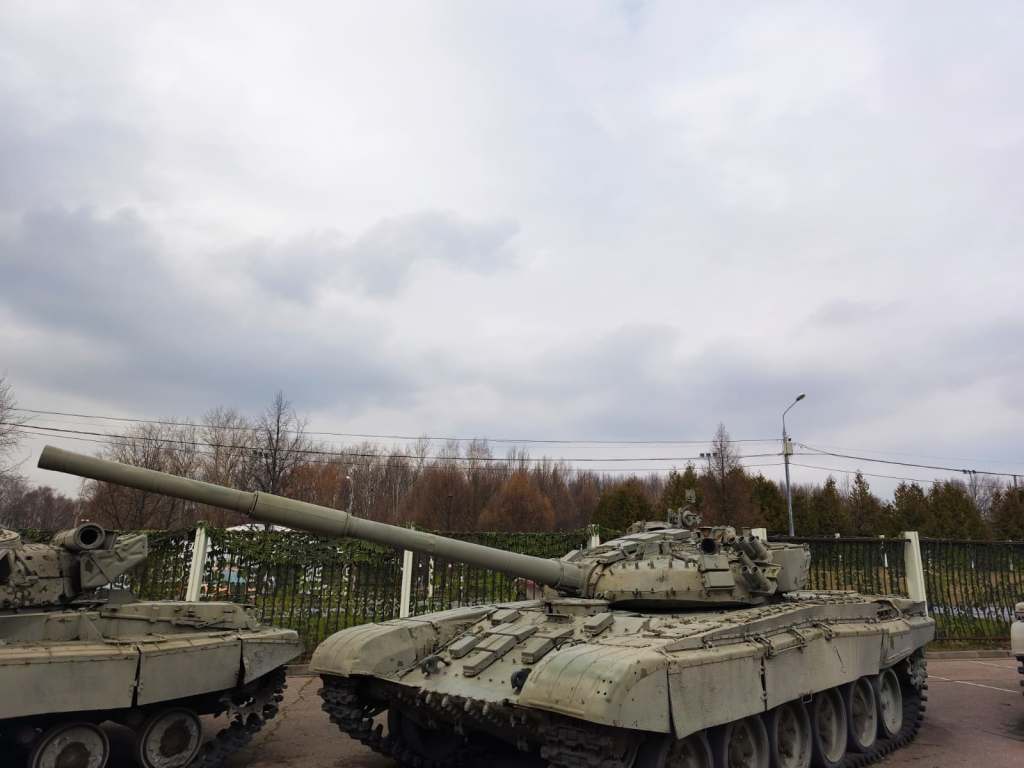
Before heading back to Istanbul, I wanted to stop by Vorobyovy Gory, i.e., Sparrow Hills, and see Moscow State University. Sparrow Hills is such a beautiful spot that if I lived in Moscow, I’d spend my weekends there hiking or just relaxing.
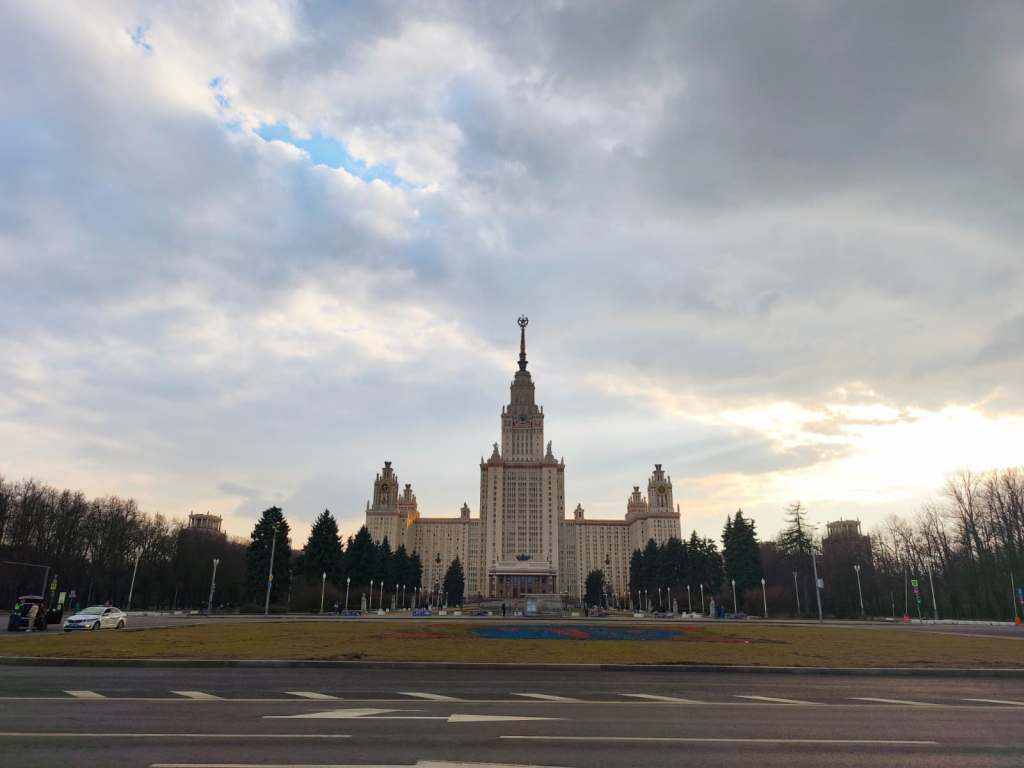
Moscow is enormous, with its massive buildings and wide boulevards it reminds me of New York City. Unlike NYC, though, it feels tidy and orderly, except, of course, when it comes to traffic. It is full of museums, theatres (no Bolshoi Threatre for you today), galleries, giant parks, monuments and statues. I guess this is how you become a superpower, at least for a limited time.
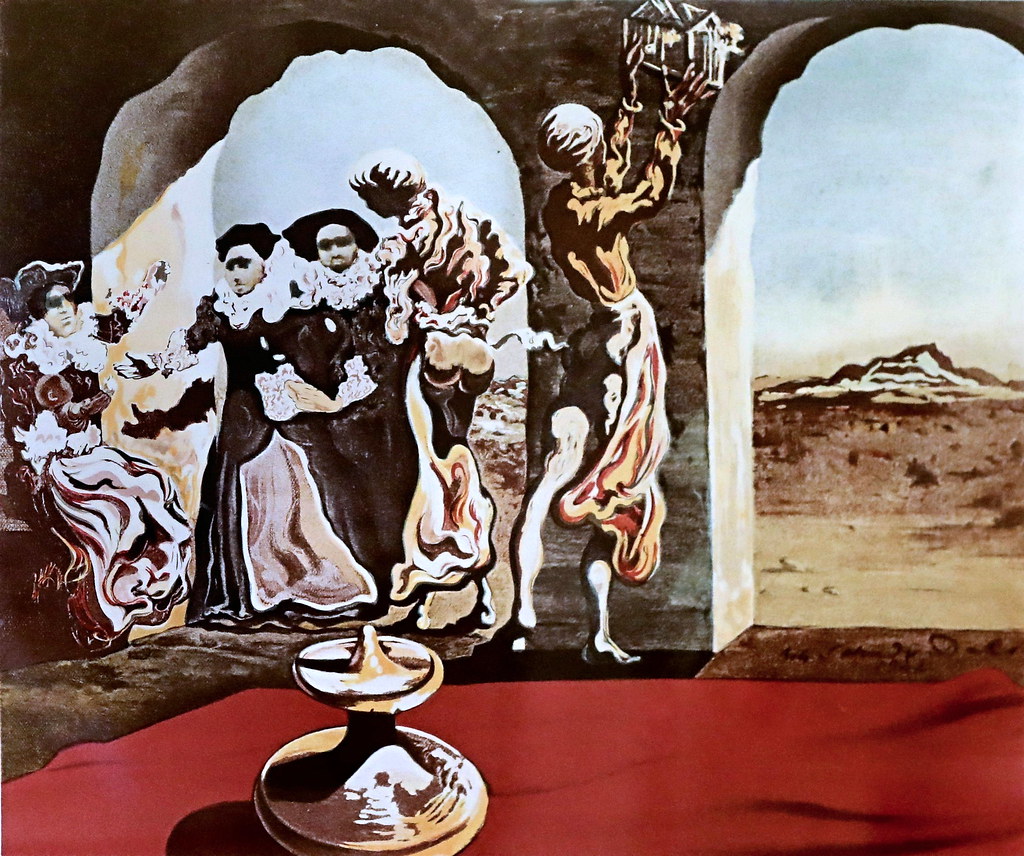
I was astonished to see little kids, usually around 9 or 10 years old, in literally every museum I visited. It turns out school excursions are quite frequent in these younglings’ curriculum. You’re just nine and already being told about the motives behind Vanitas? Wild. I found ordinary Russians reluctant to speak in English, my guess is they don’t want to speak English unless they are fluent.
The only problems I encountered in Moscow were that you can’t use your Mastercard or Visa cards for transactions due to sanctions and you can’t use social media services like Instagram, Youtube or X without a VPN. Are these major problems for traveling to Russia? I think not.

 Notes from Blank Page
Leave a comment